

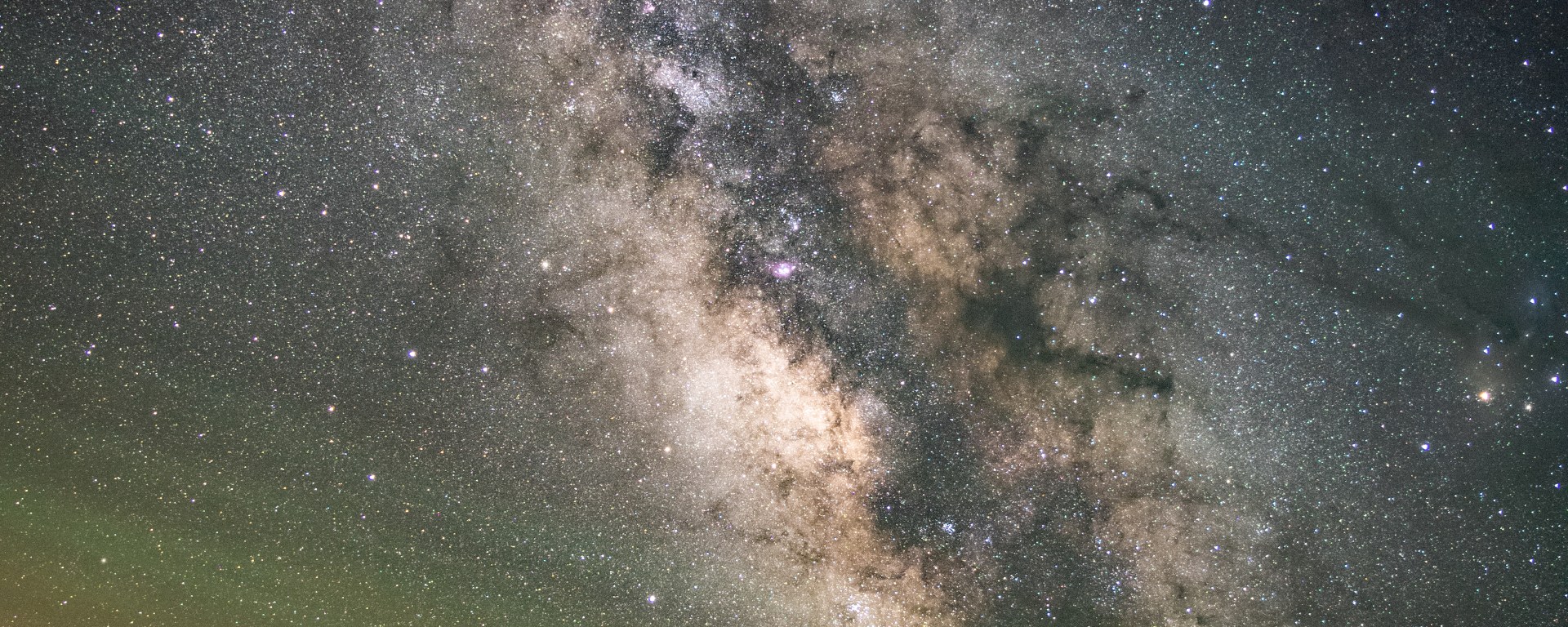
Beautiful red rock cliffs, high desert/plateau landscape, nice dark skies with no light pollution… Toto, I don’t think we’re in the Mojave Desert anymore…
| Date: | May 21-23, 2023 |
| Location: | Ghost Ranch, New Mexico |
| Time | 22:00-4:00 (UTC-6) |
| Weather | Periods between Clear skies and passing clouds; humid; 60°- 45° F |
| Bortle Scale | 2 |
| Elevation | 6,500 ft |
| Landscape | High Desert / Plateau Highlands |
Equipment Used
- Nikon D5300
- Orion 8″ f/4.9 Newtonian Telescope
- Atlas II Equatorial GoTo Mount
- Starshoot Autoguider


So one must wonder how I ended up here… it’s very simple, my aunt and uncle, who reside in Boulder, Colorado, requested me to give an astronomy presentation for their hiking group. They organized this trip for May 20-24, and because they knew it would be a beautiful dark sky, they knew I could give an engaging presentation… IF the weather was clear. But either way, I was not going to waste a 12 hour drive, and if I had to, I would have given the presentation using Stellarium and a provided projector. And if anything, it was nice quality time with my aunt Susan and uncle Bob… the latter of which often likes to challenge me with questions that I may not immediately know the answer to, thus I often label these questions from anyone given to me as “Uncle Bob Questions.”
Night 1
Upon arriving Monday afternoon, St. Johns Hiking Group welcomed me with open arms. Thanks to their generosity, I even had my own room. Because the Ghost Ranch staff showed us how to turn off the outdoor lights at our lodge, that meant I could simply set up near my room and enjoy the dark skies without having to drive nor transport anywhere upon finish…. and just simply crawl into bed. Such a nice break from my usual trips!
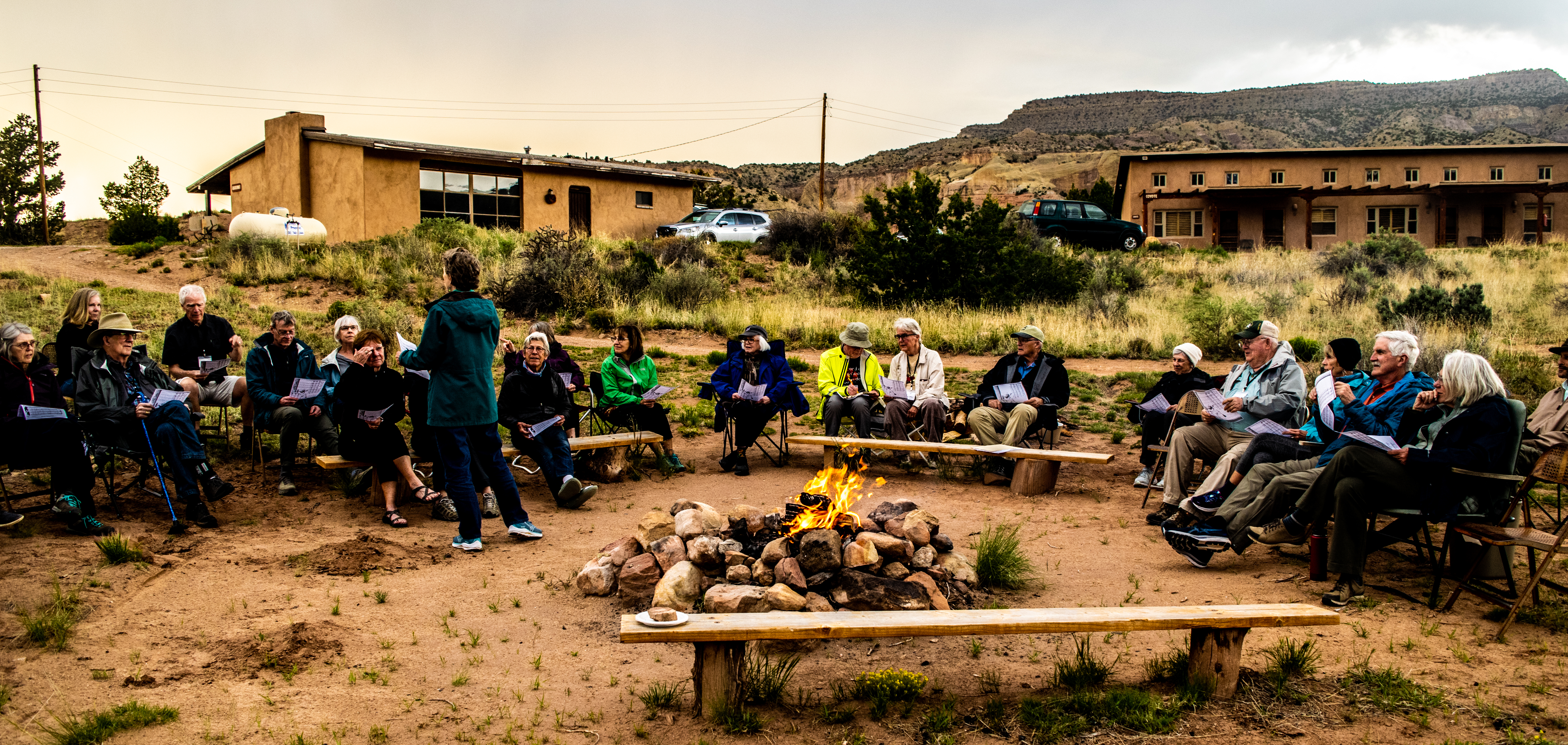
The St. Johns hiking group was there for a variety of activities, including the hiking trails, morning prayers, meals together, and other scheduled events such as songs and campfire stories on the first night I was there, and social retreats. My presentation was planned for the Tuesday night, and they were all made clear that due to the time of the year being a month shy of summer solstice, that it would not get fully dark outside until close to 9:30pm, and for those who were used to early bed times, that they needed to make an exception.
However, we were under the mercy of the weather, which was usually afternoon-evening thunderstorms. When the group was in the middle of their campfire activities, a passing thunderstorm forced us to continue it inside the lodge common room.
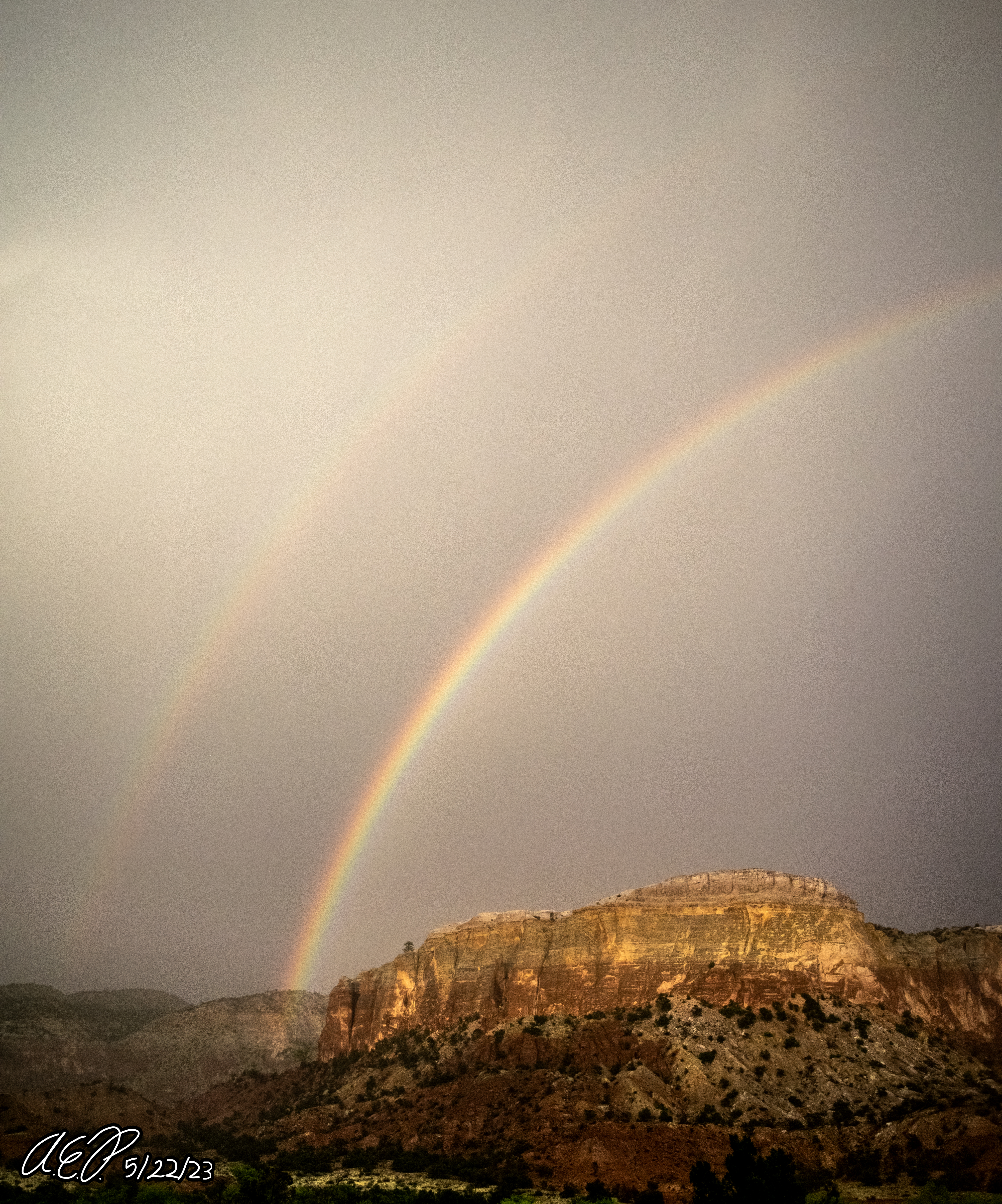
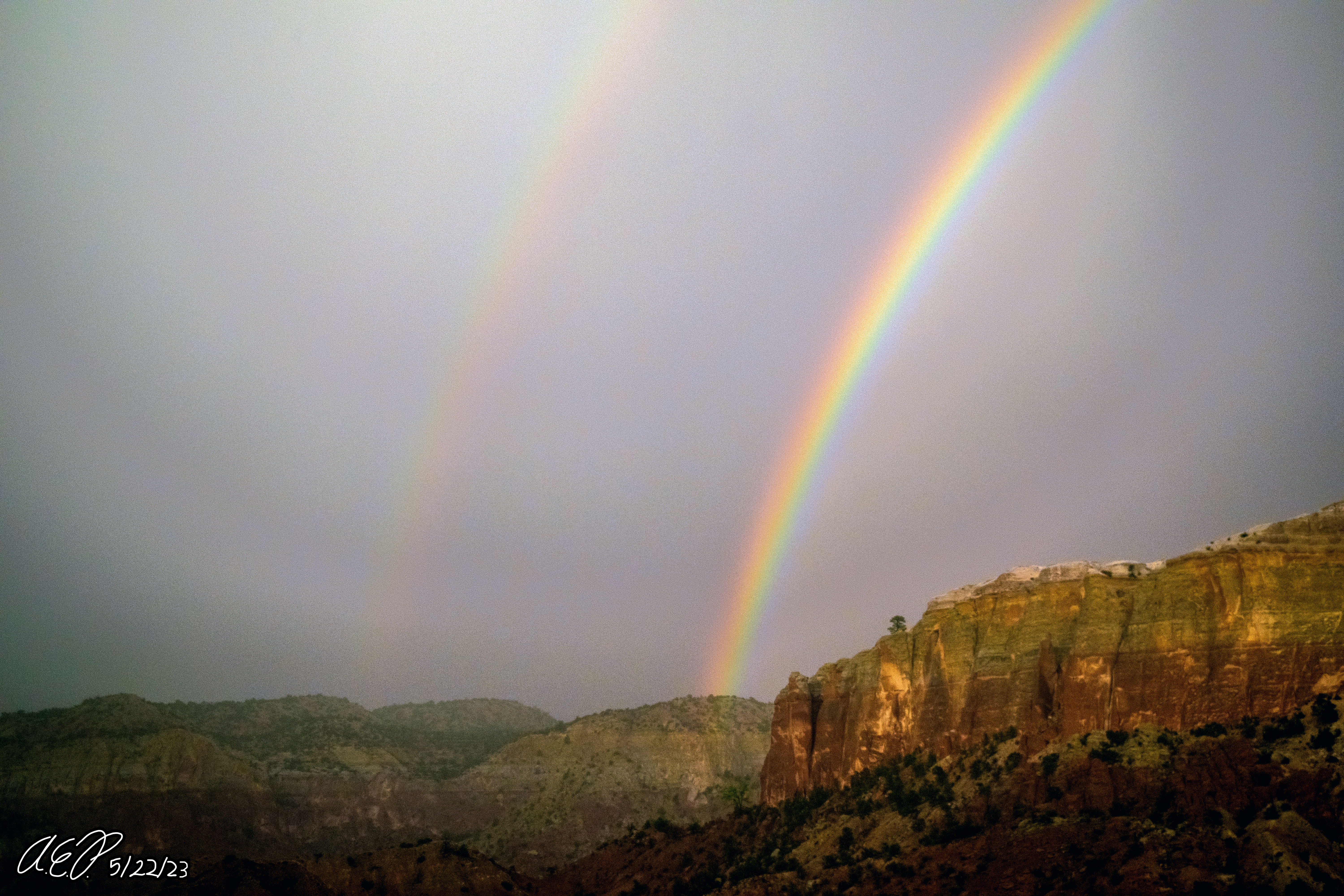
The passing thunderstorm ended up producing a really nice double rainbow, that fully arced across the eastern cliffs.
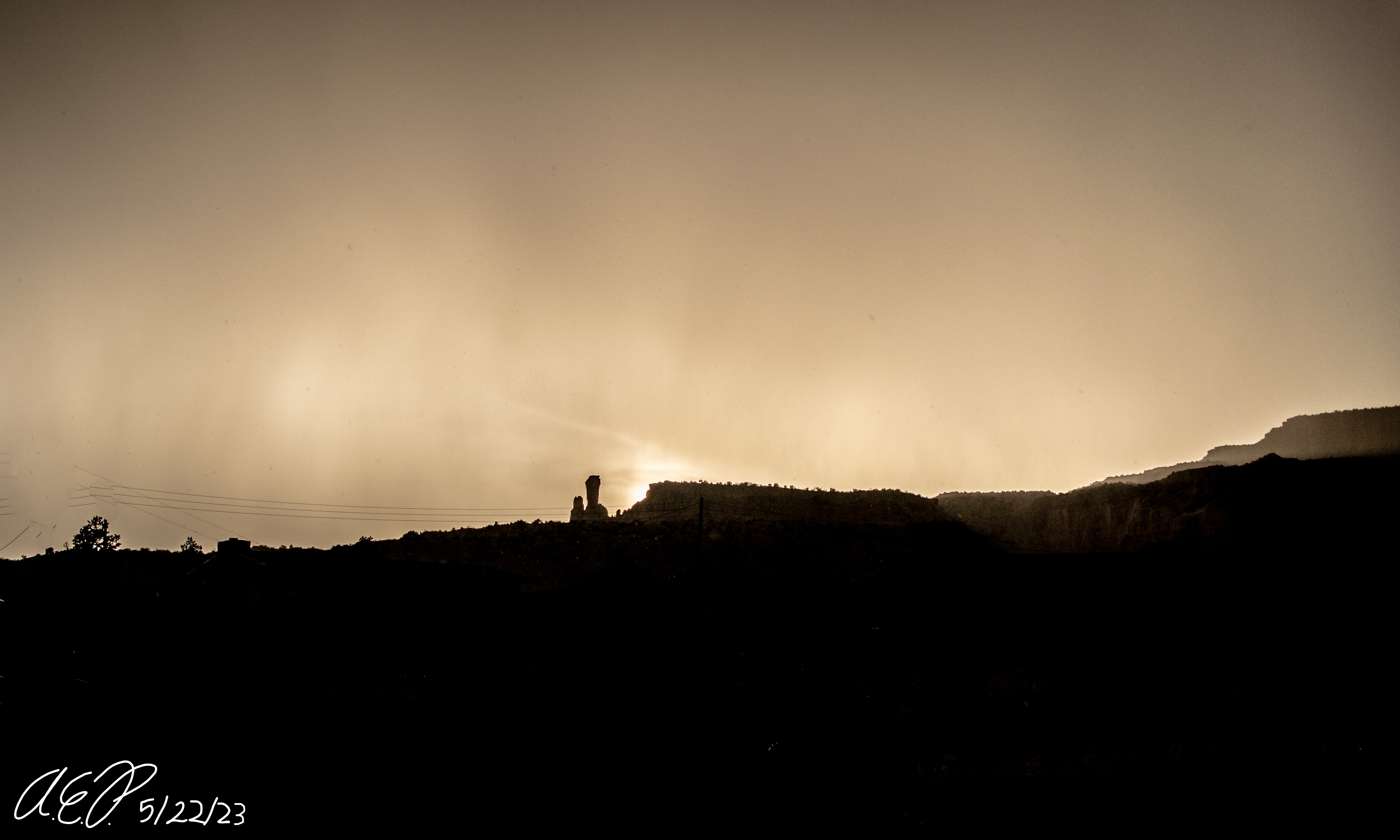
And as night fell… it was cloudy up until it started to clear around 11pm, which I decided to set up my telescope and hope for the best.
This was definitely a Bortle 2 sky. There wasn’t too much of a glow from Santa Fe and Albuquerque in the distance, but it was still there and showed up in exposures. The sky was also humid, and not as transparent as one would wish. But I could definitely spot Omega Centauri with the naked eye even though it was low above the horizon and subject to airglow. What was really neat about this sky on the other hand was that any clouds would look like black holes or black masses in the sky.
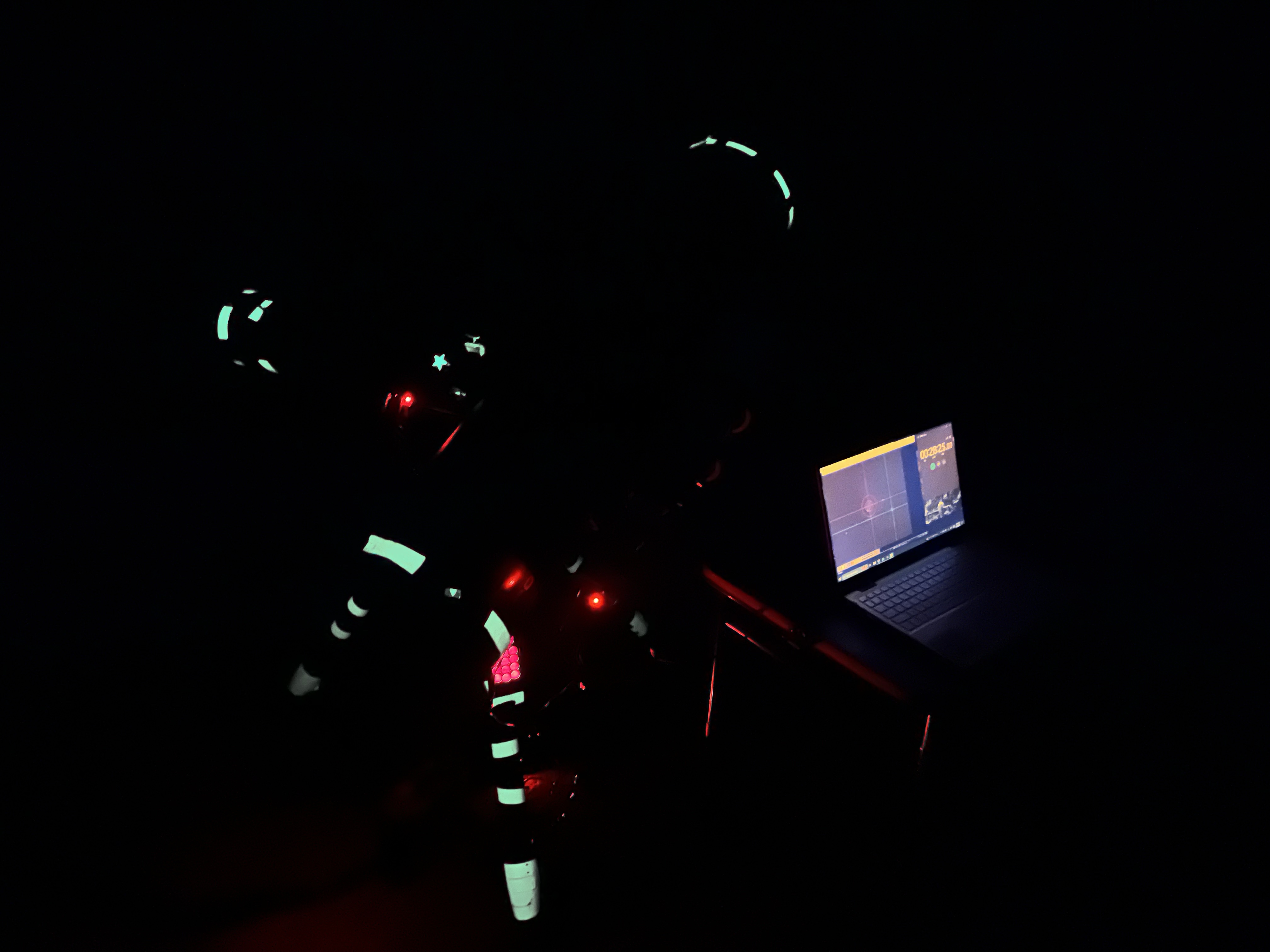
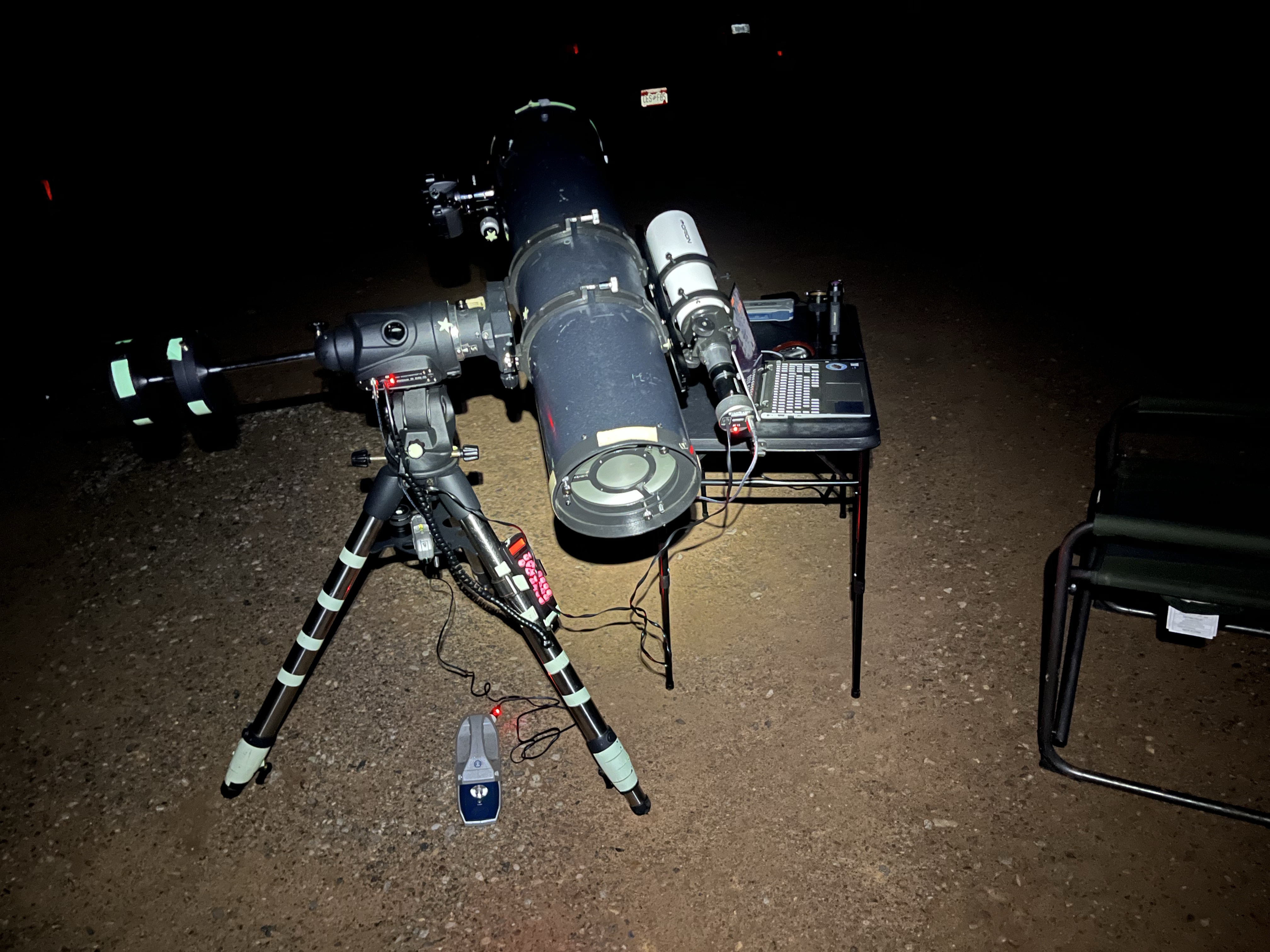
As much as I wanted to take an image of M101 due to the supernova that was discovered in that galaxy… the side of the sky where was located was constantly subject to passing clouds from the northwest. But the sky to the east and south was clear, hence why I chose to shoot there.
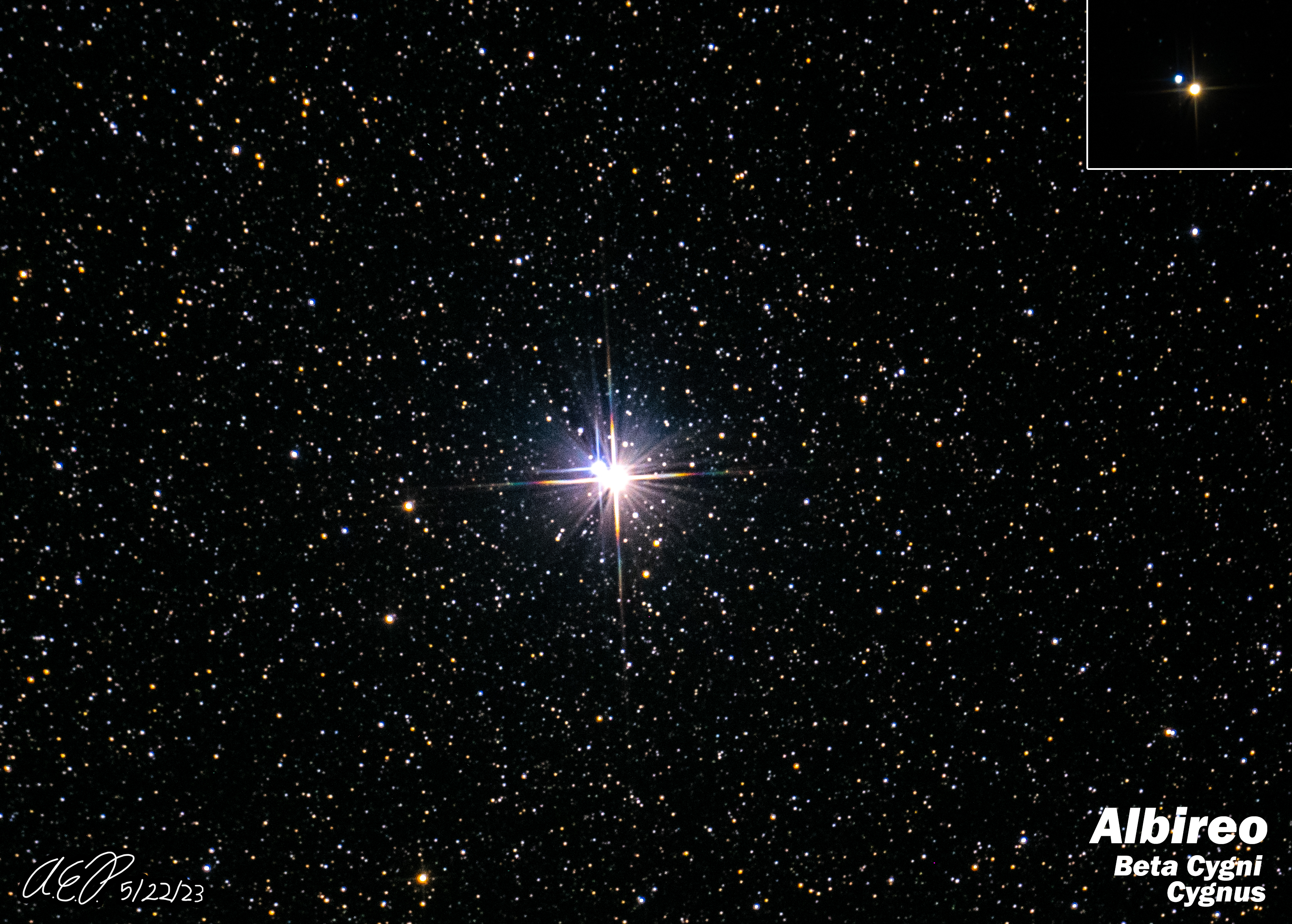
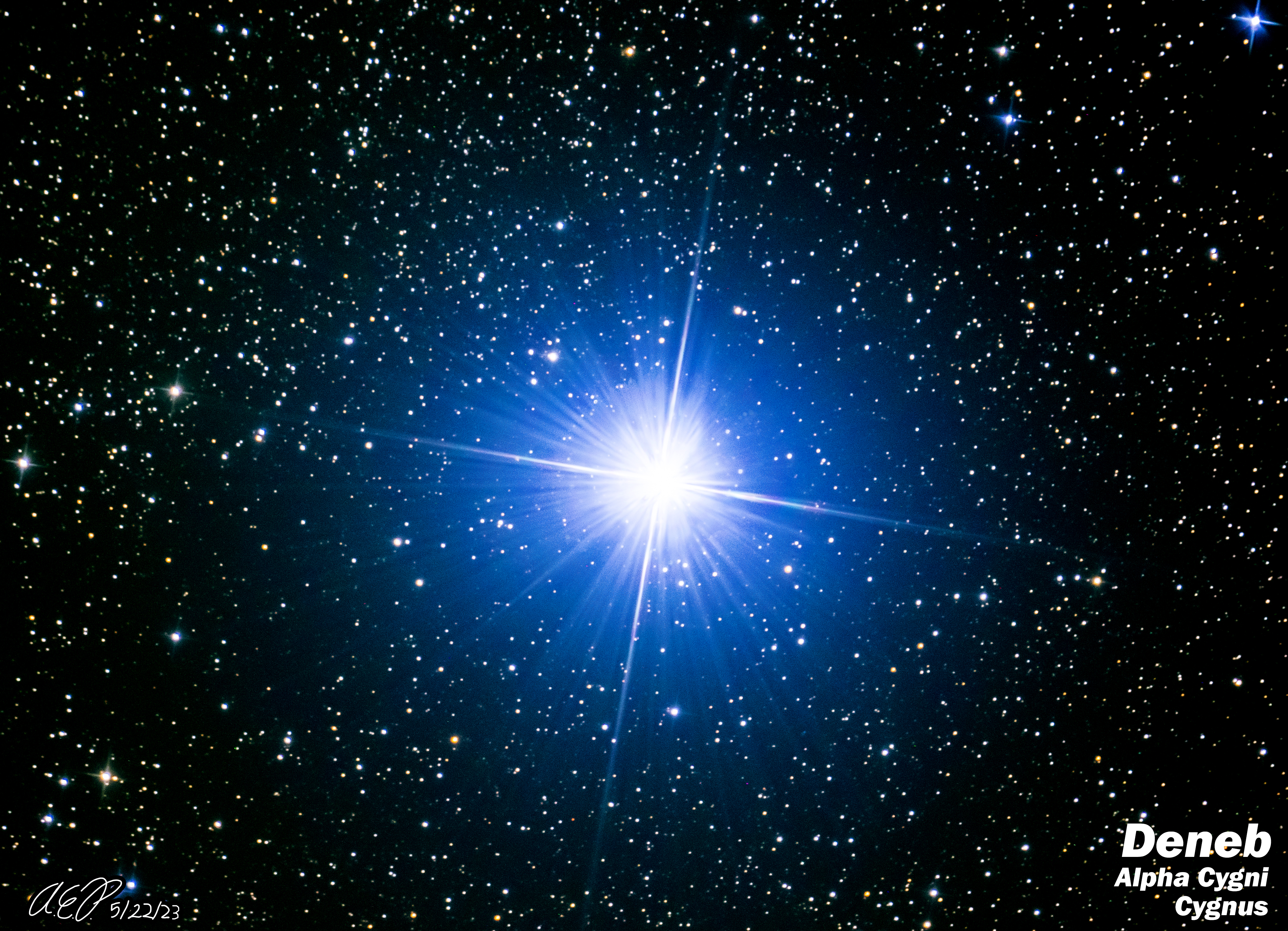
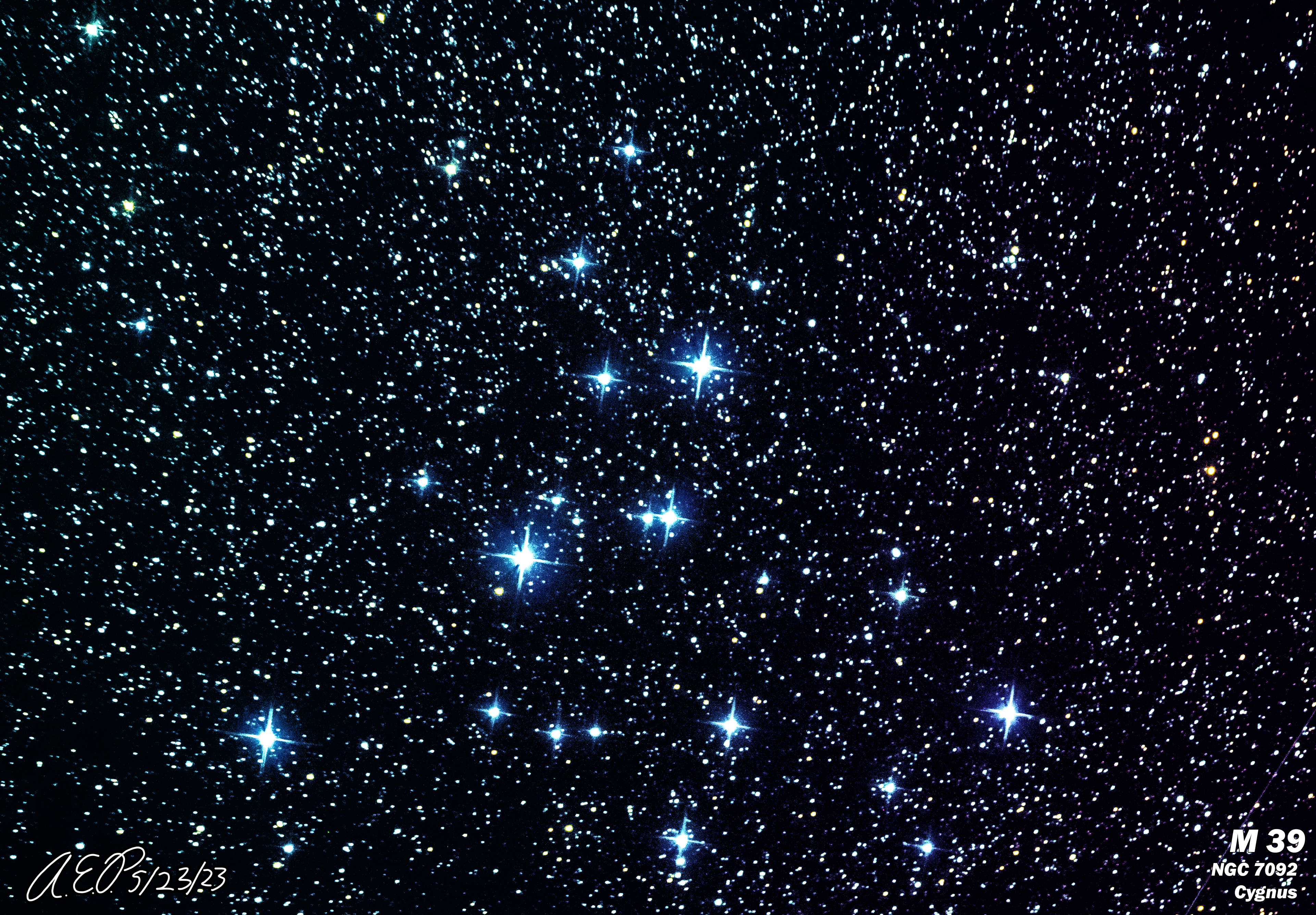
At first I went with the Cygnus section to make sure my guiding software was working properly. When it came to M39, my autoguider software kept warning me it was loosing sight of stars to track due to the passing clouds nearby.
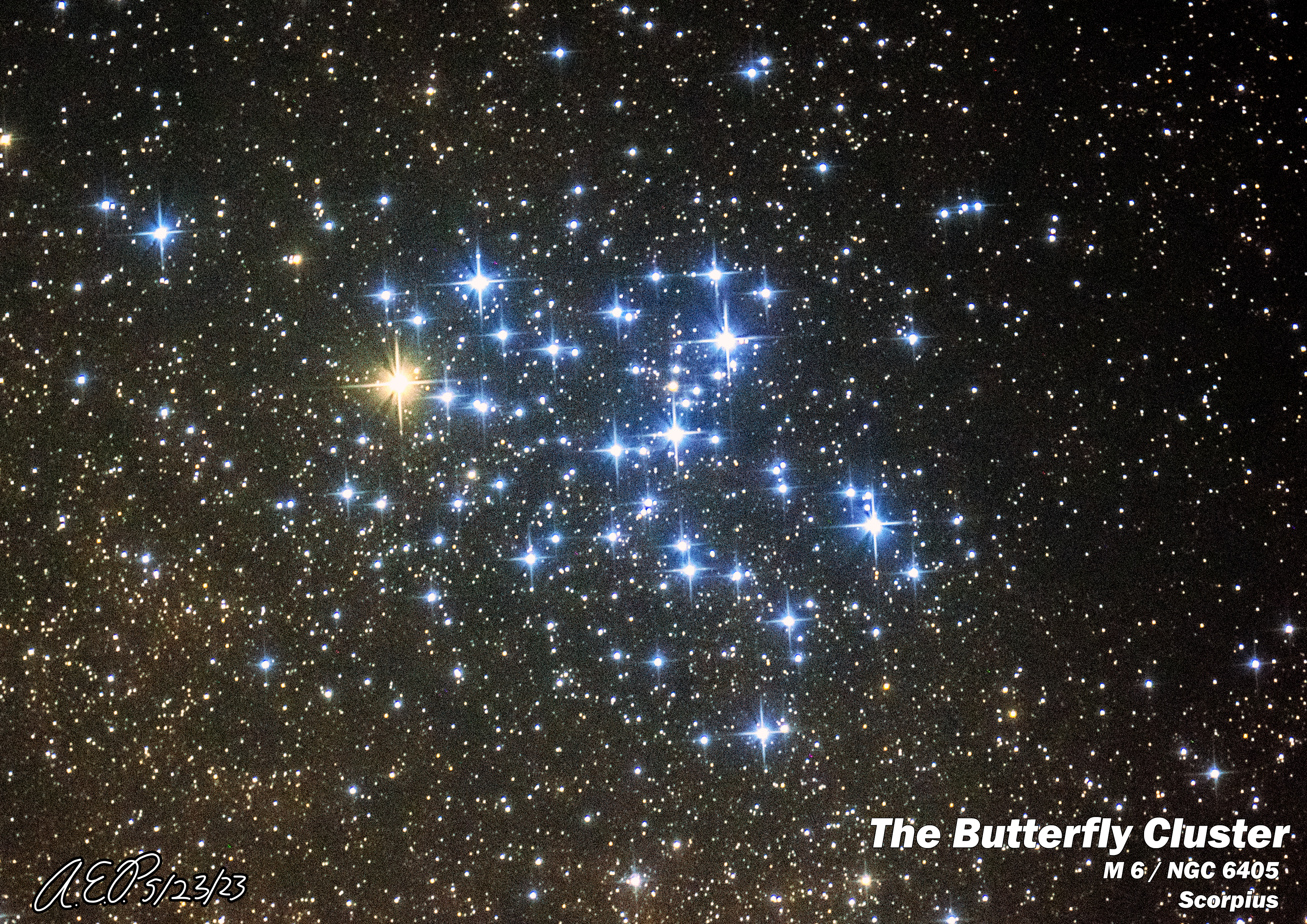
My efforts on targets in Sagittarius and Scorpius on the other hand I felt went really well. At the same time, my Uncle Bob had woken up, and got to experience the beautiful sky for a bit while I showed him the constellations as my telescope and camera were actively exposing.
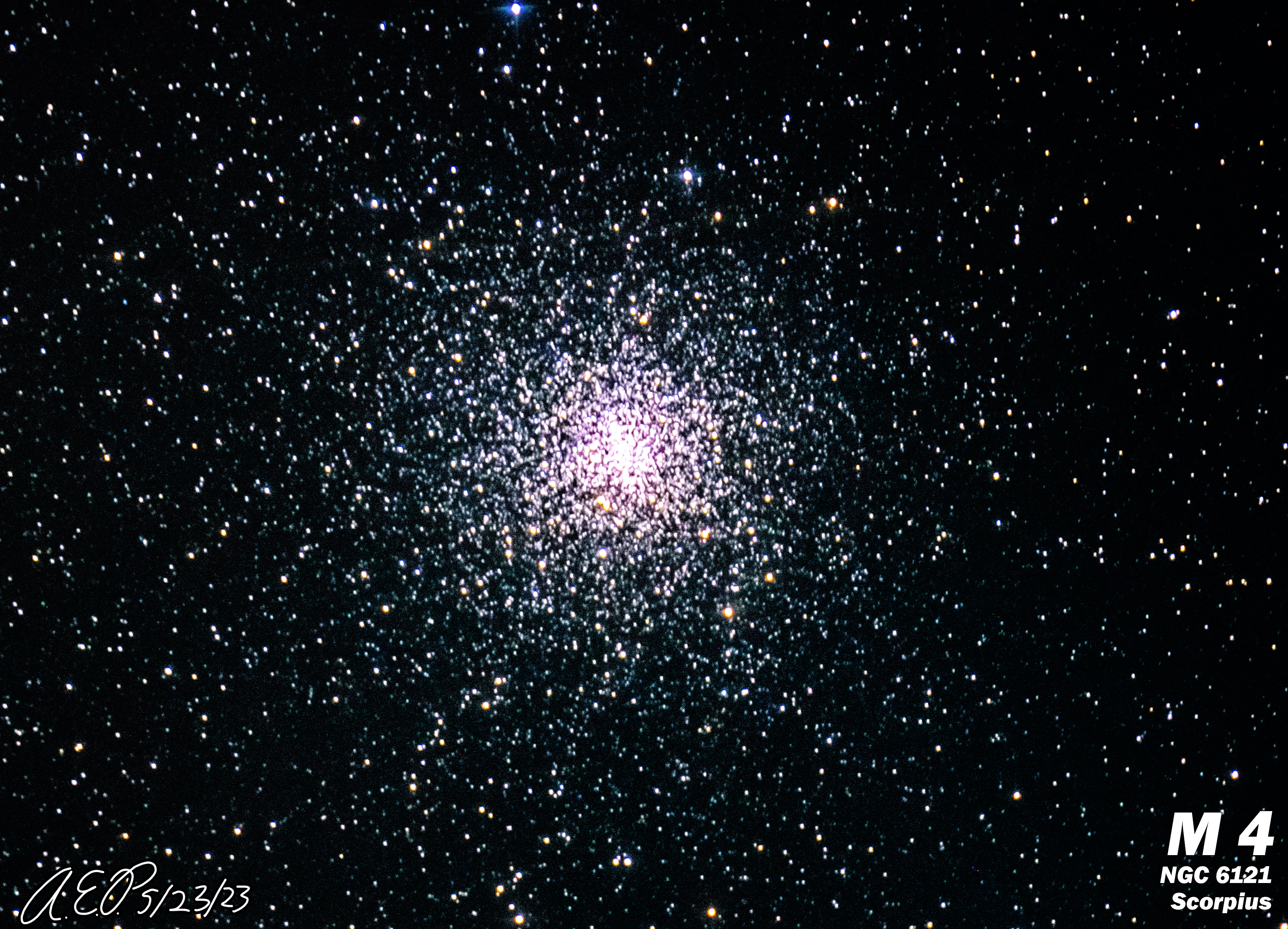

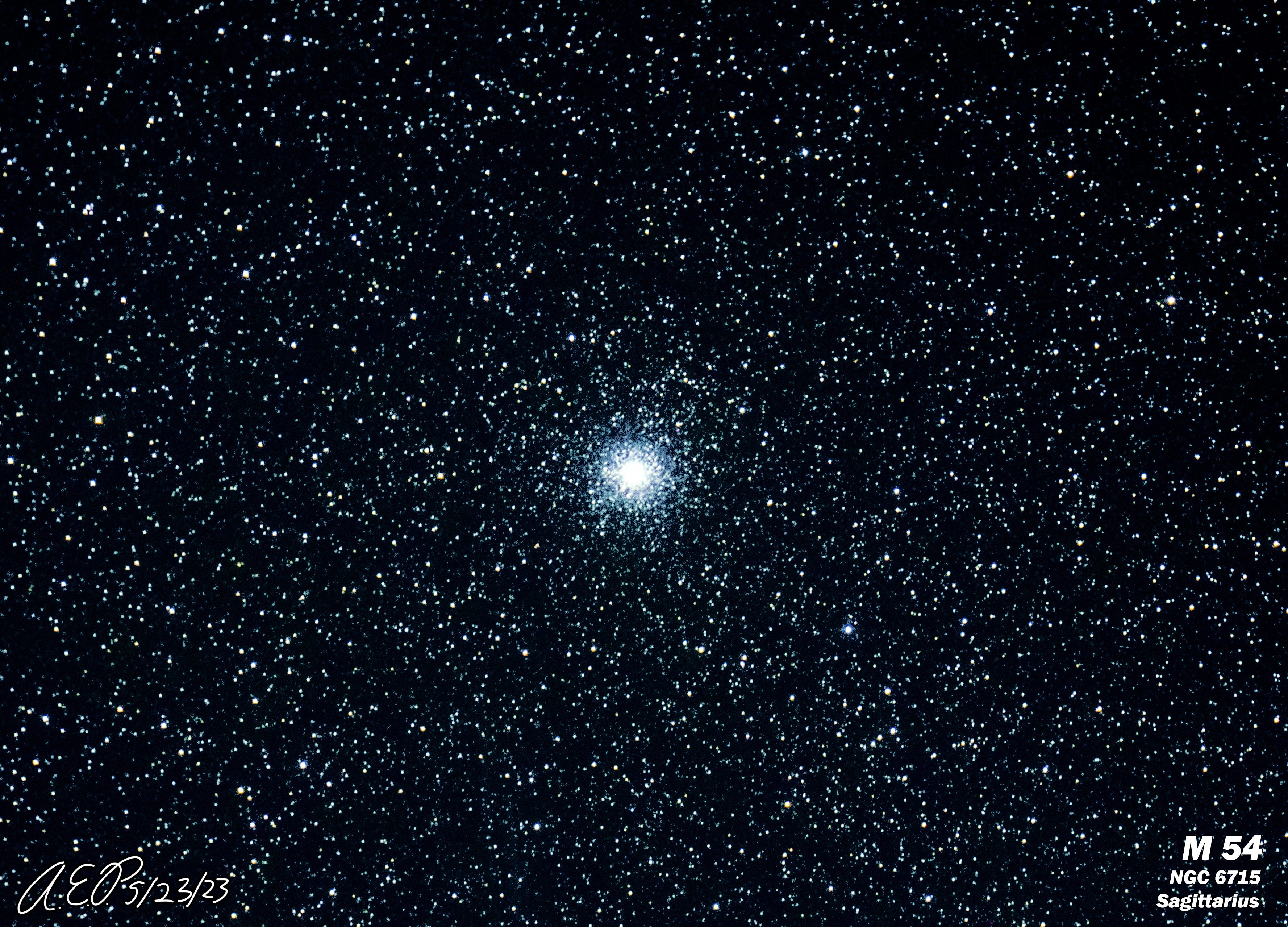
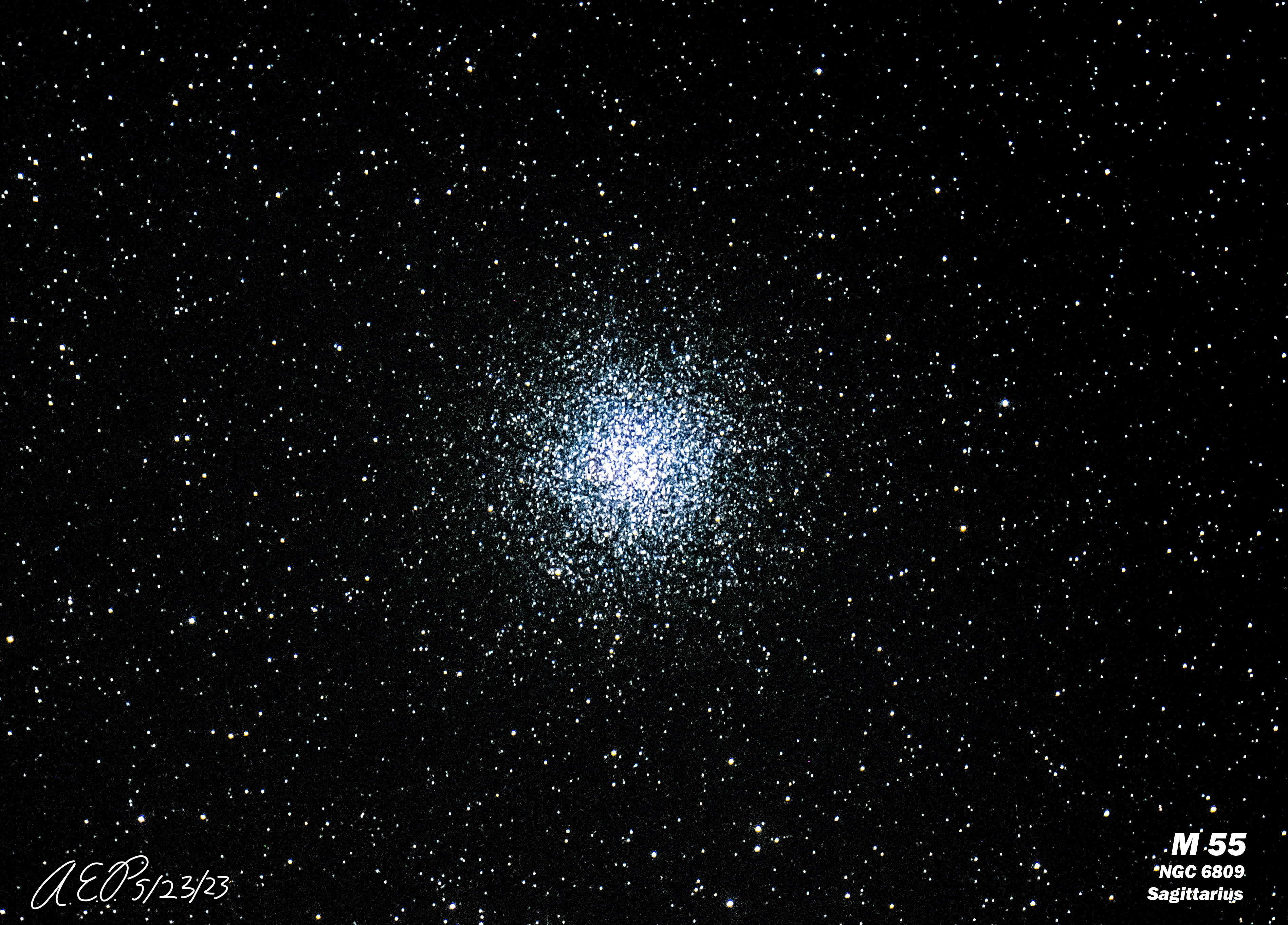
And on top of that, I was able to get M54 and M55, putting me now to only three Messier targets left to shoot!
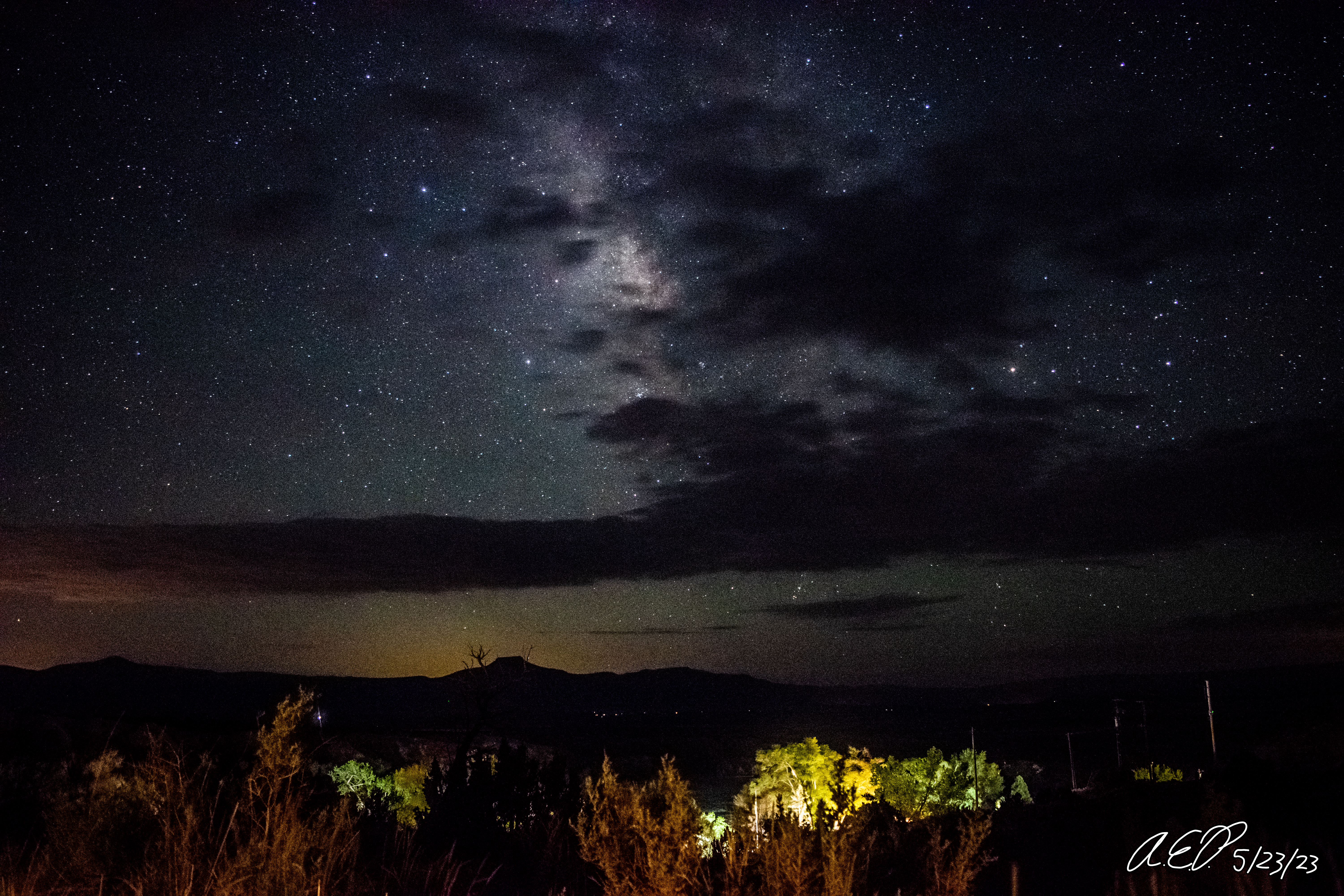
But at around 4am, the passing clouds started to engulf the sky again. So I decided to use them in wide angle shots of Cassiopeia and our Summer Milky Way… before calling it a night and heading to bed.
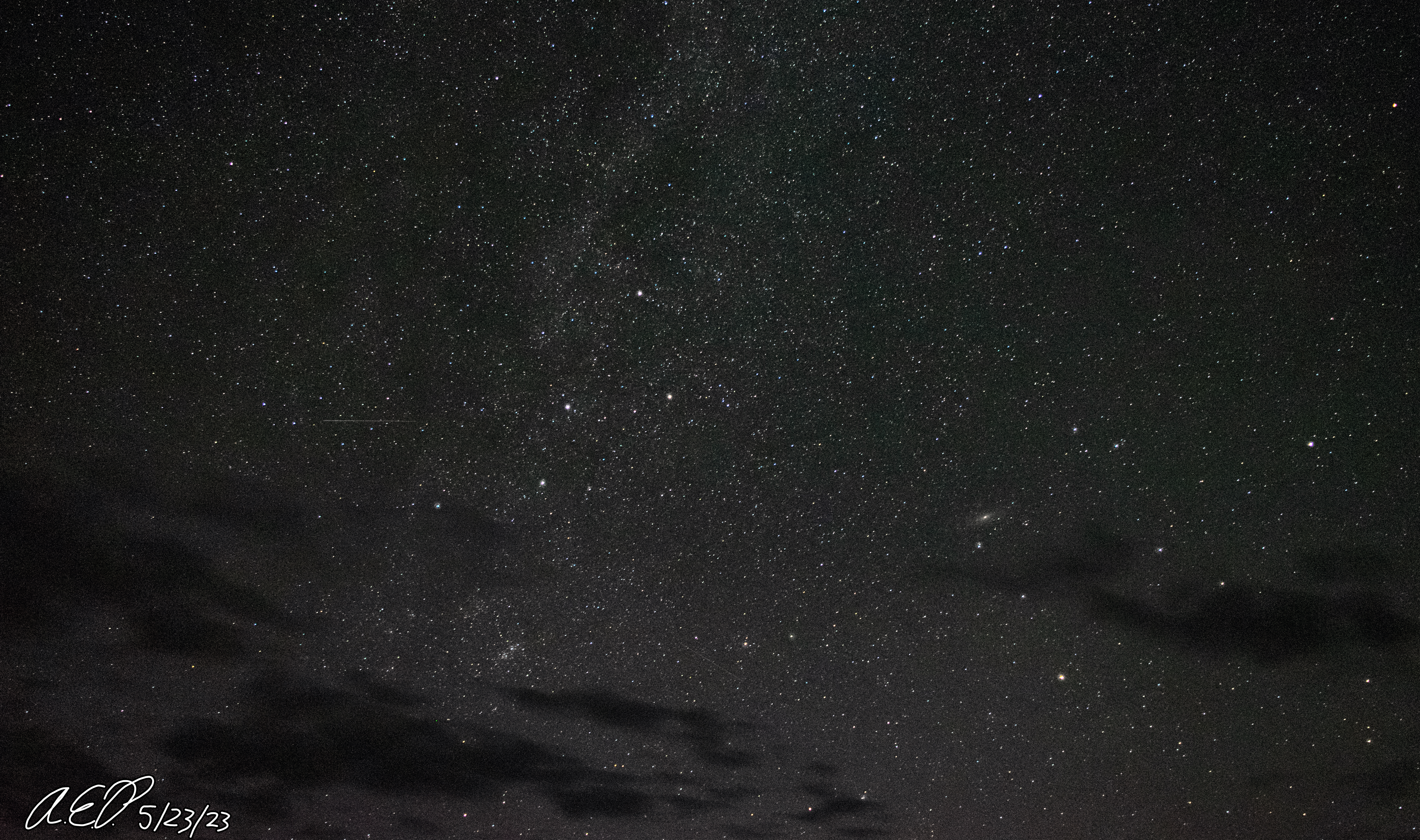
Night 2
The plan was to do the presentation around 9pm. All of the hikers were excited and understood that there would be a back up presentation should the weather not cooperate.
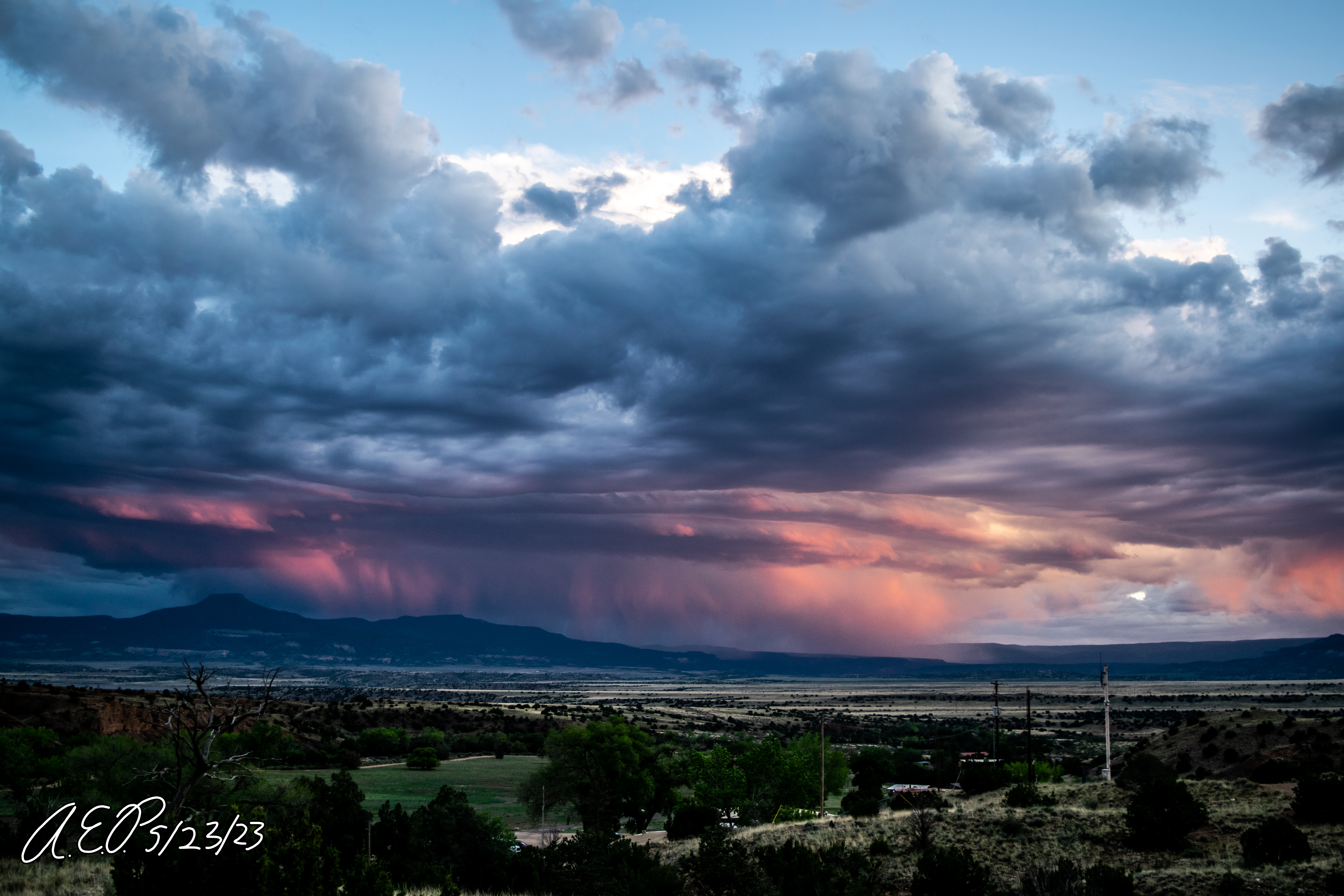
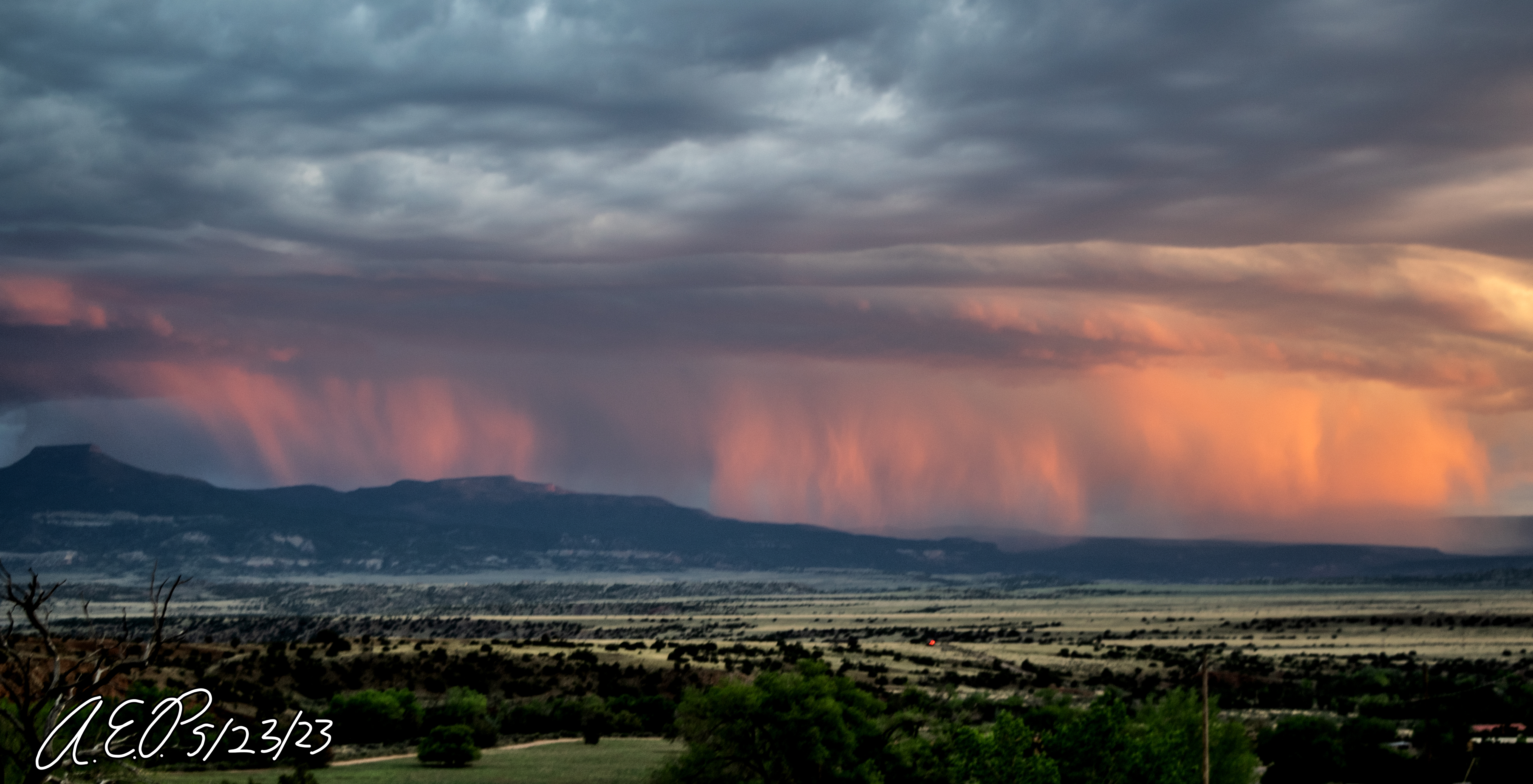
Well… the weather didn’t cooperate, but it was beautiful! Especially when we saw the downpours and lightning flashes from a distant storm.
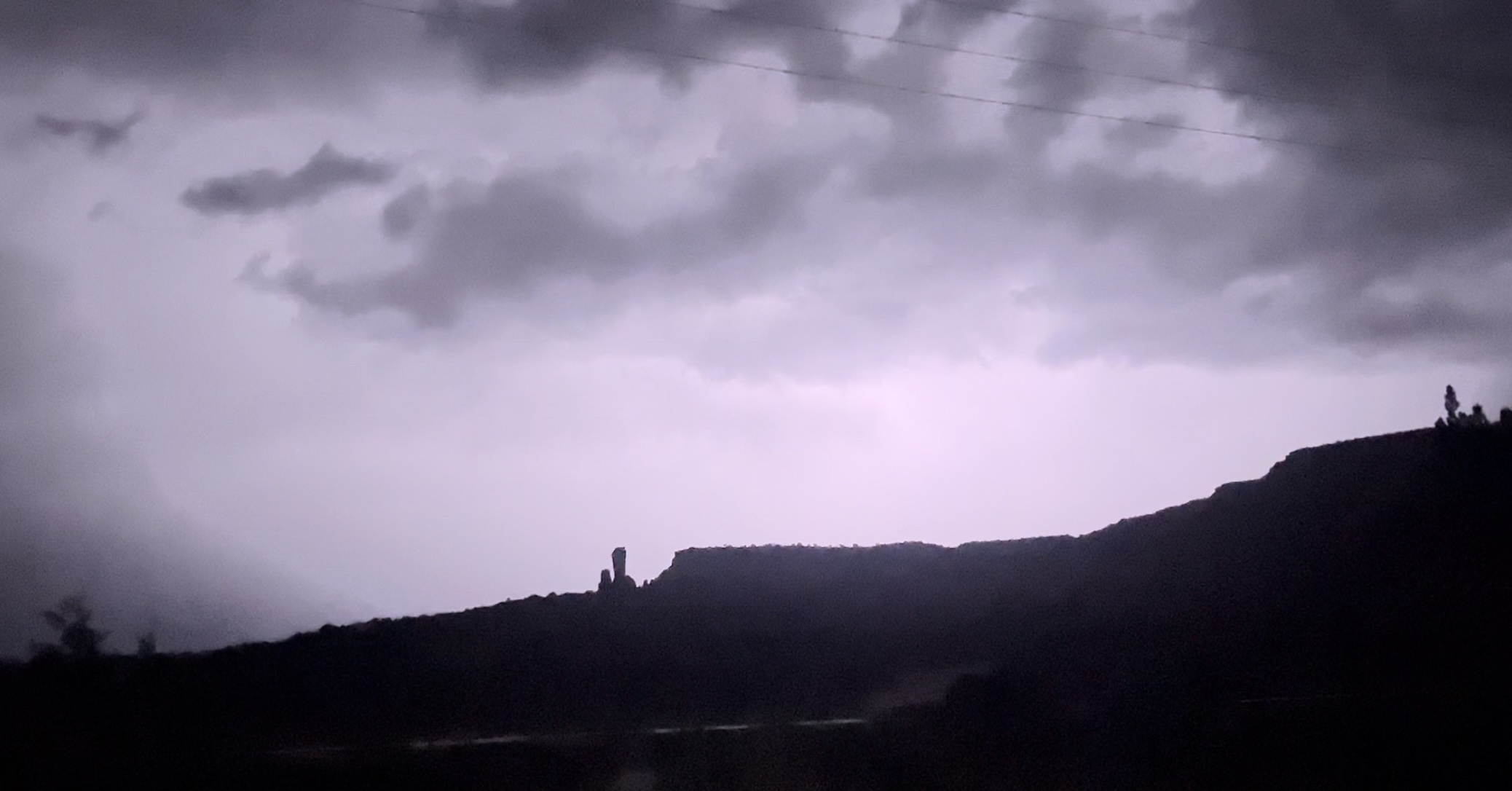
And as such, during the time I was to do a the presentation with my laptop using Stellarium to show constellations on a projection screen… there were lightning flashes going off during it!
All in all, the St. Johns group did enjoy the presentation, and were engaging throughout before, during, and after. Because I had my astrophotos handy, I could always use them as examples when describing what celestial objects could be seen in the sky, as well as showing the constellations. By the end, I was telling funny stories of some of the public I’ve dealt with at the observatory. It got to a point where we had to end it so the hikers could go to bed… otherwise I could have kept going.
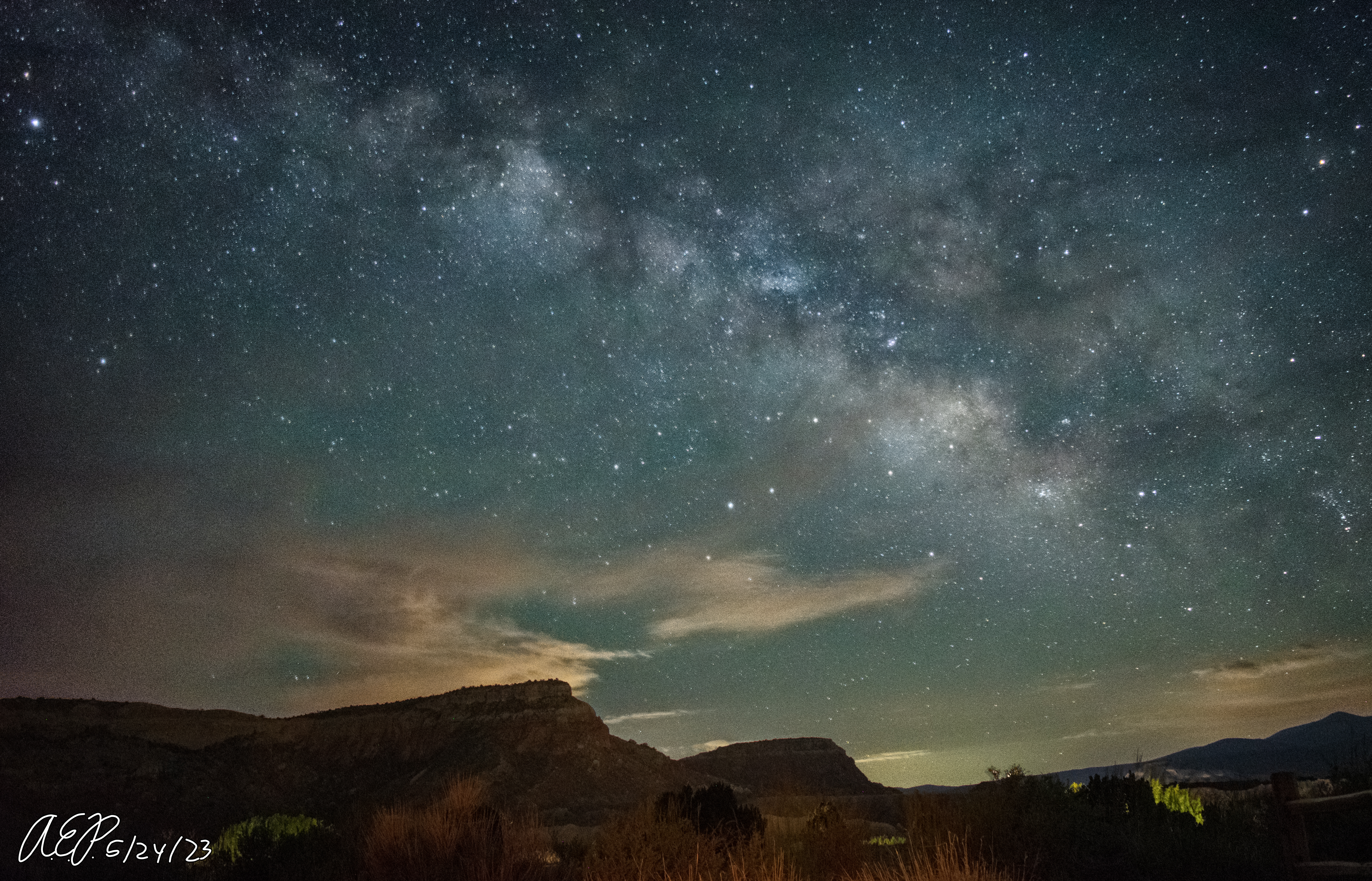
And despite it being cloudy at 10-11pm… once again it did start to clear up around midnight. But because of the volatile nature of the sky, I chose to only focus on wide angle photography instead of setting up the telescope.
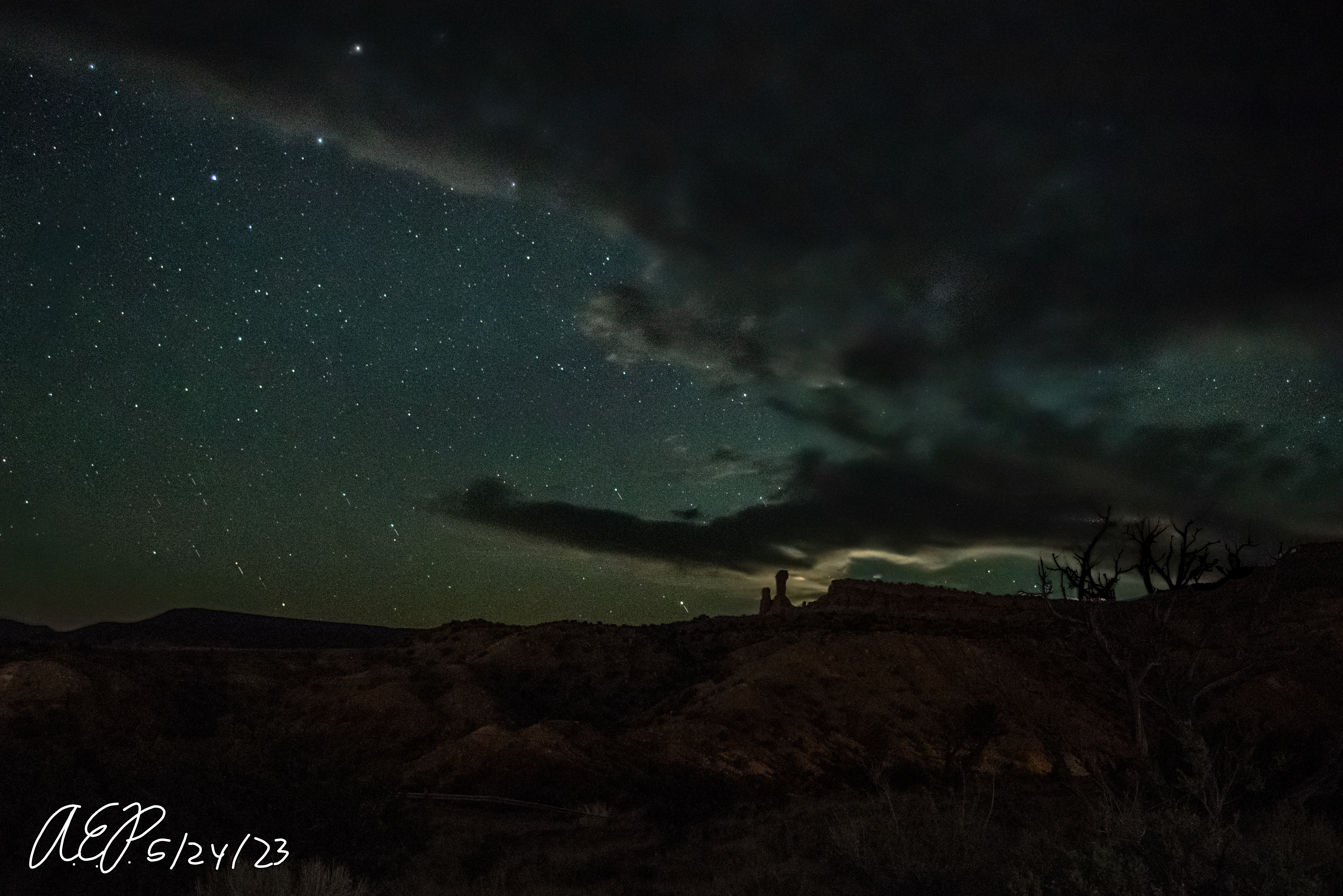
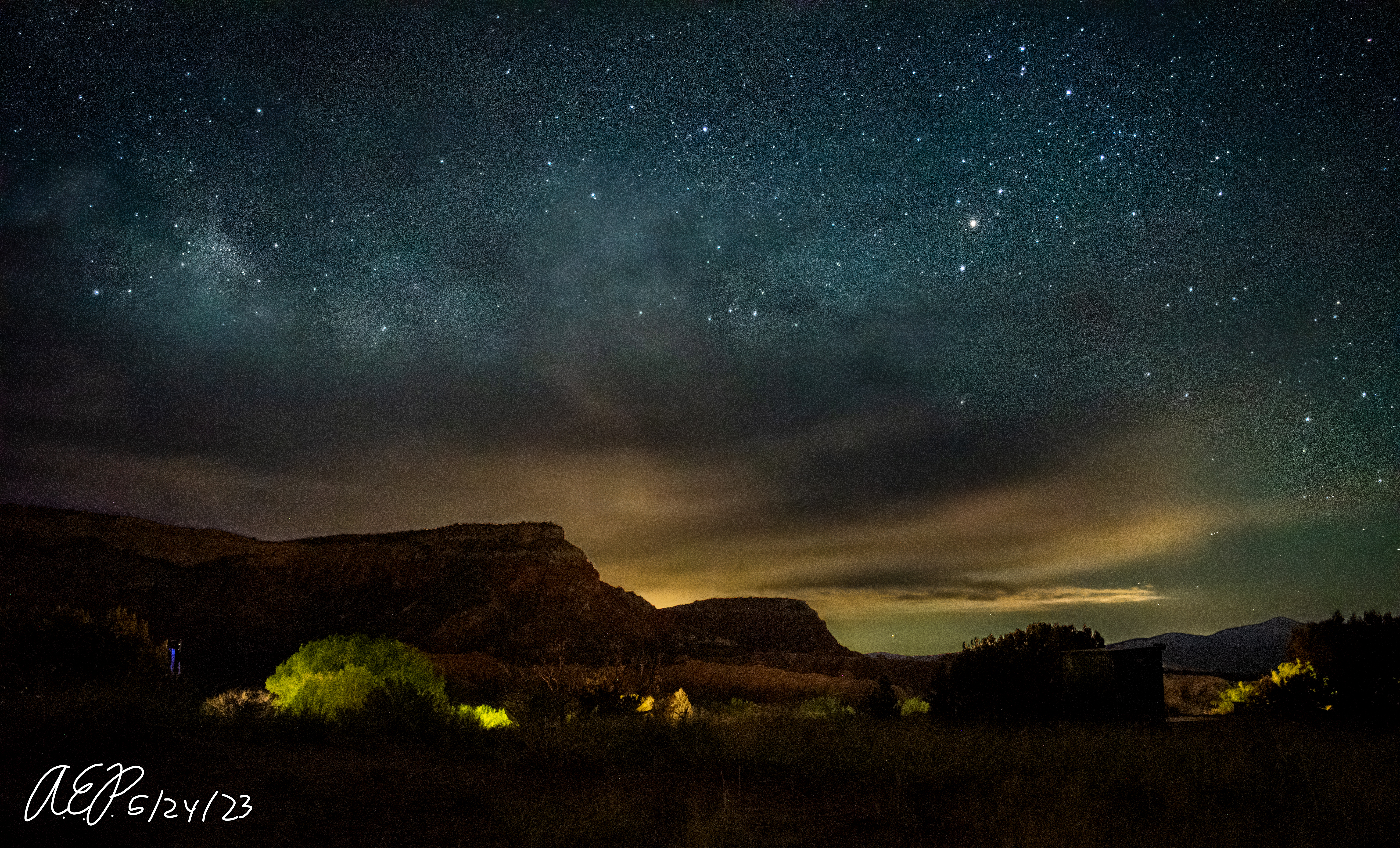
As it cleared up, I was able to get a great Milky Way shot above the red cliffs.
For the remainder of the night, I chose to do even longer exposures using my equatorial mount for the Summer Triangle…
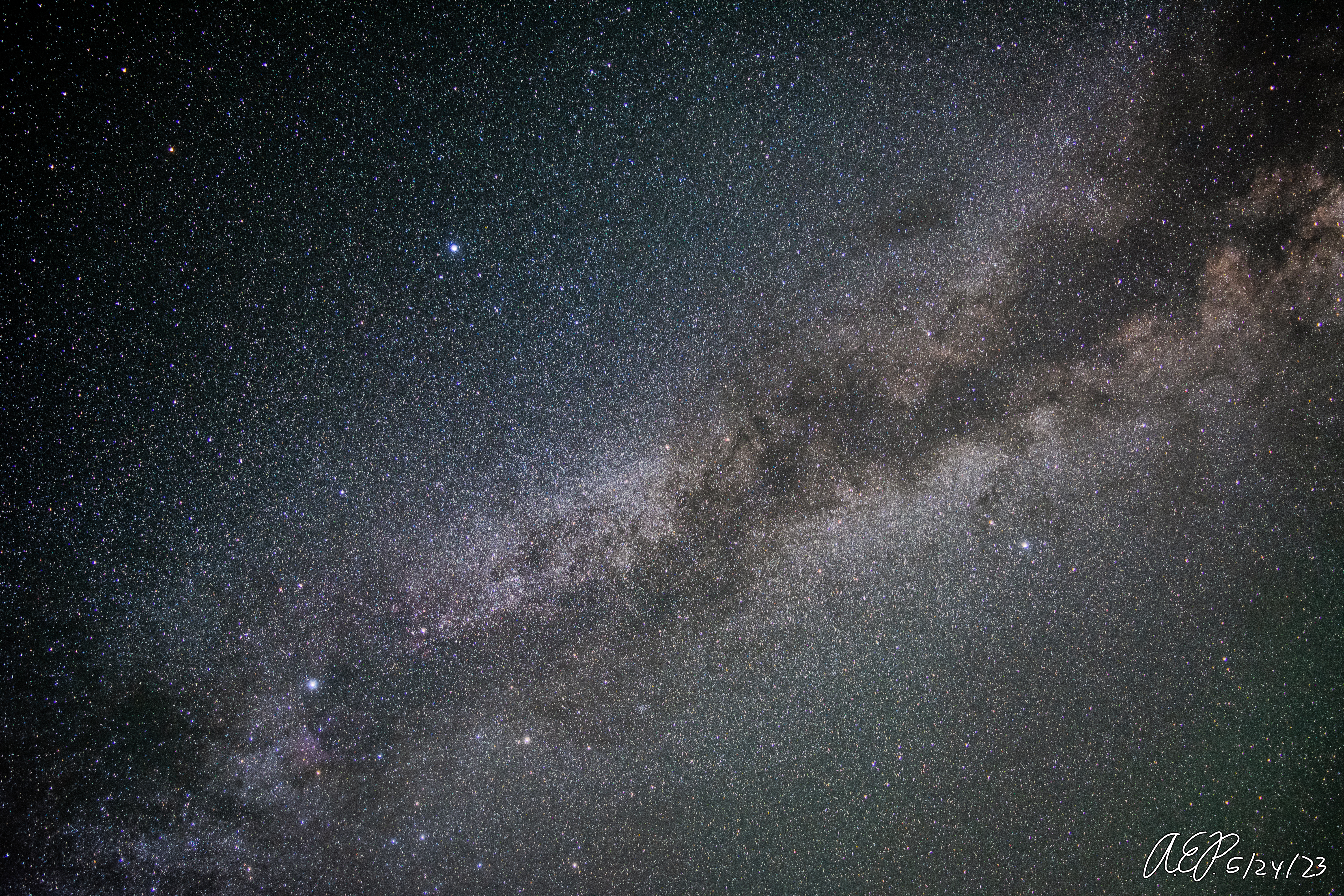
And the Summer Milky Way… where the airglow was obvious.
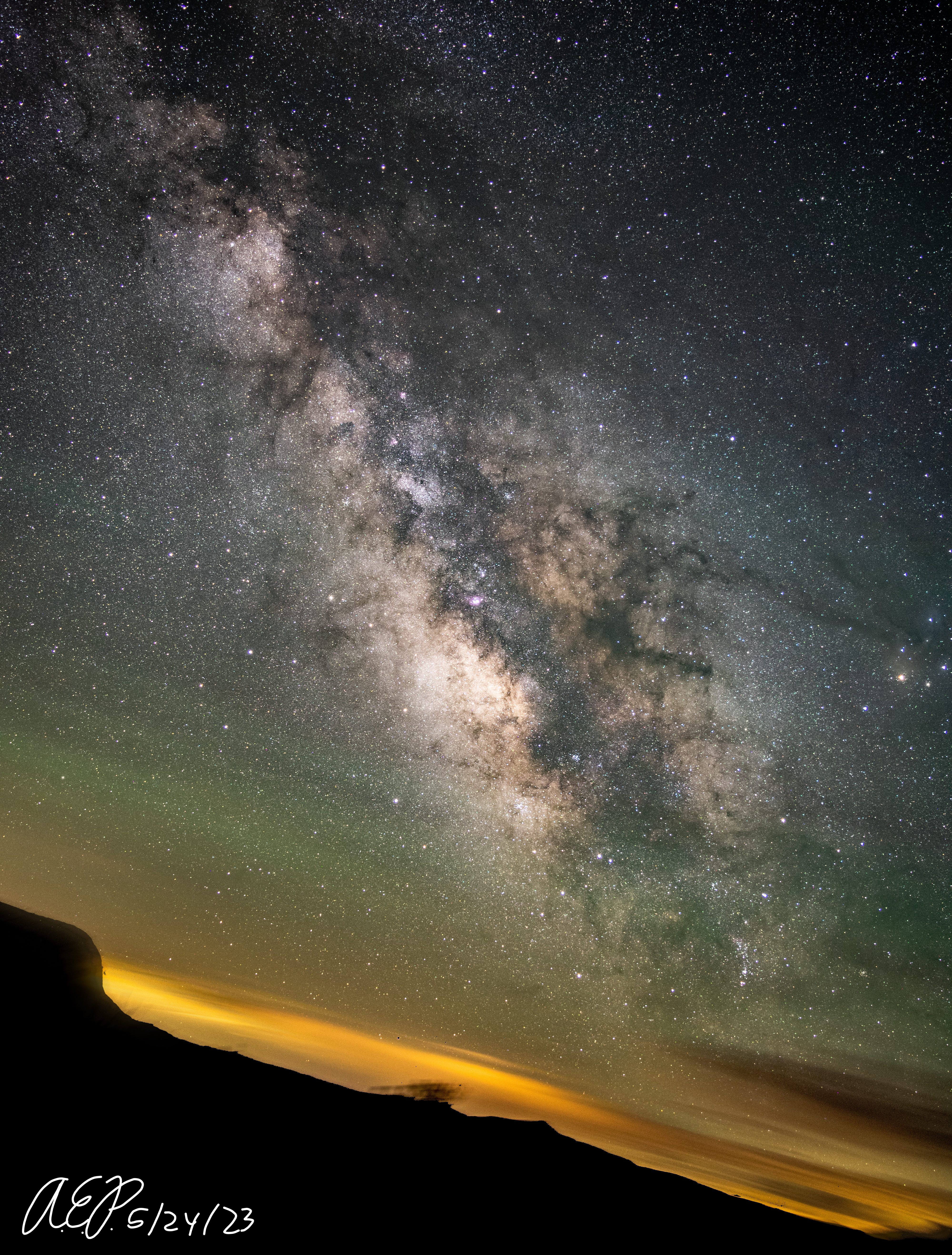
At around 3am, once again Uncle Bob came out, and a few other hikers who remembered that I would be up all night stargazing. Even though it wasn’t the entire group of 40 hikers, I was happy to share the beautiful night sky to a few of them who braved the night.
I cannot thank my aunt and uncle enough, nor can thank the St. John’s hiking group enough for their generosity. This was definitely an amazing experience, and I sure hope it opens the door for more.
BONUS – Meteor Crater, Arizona
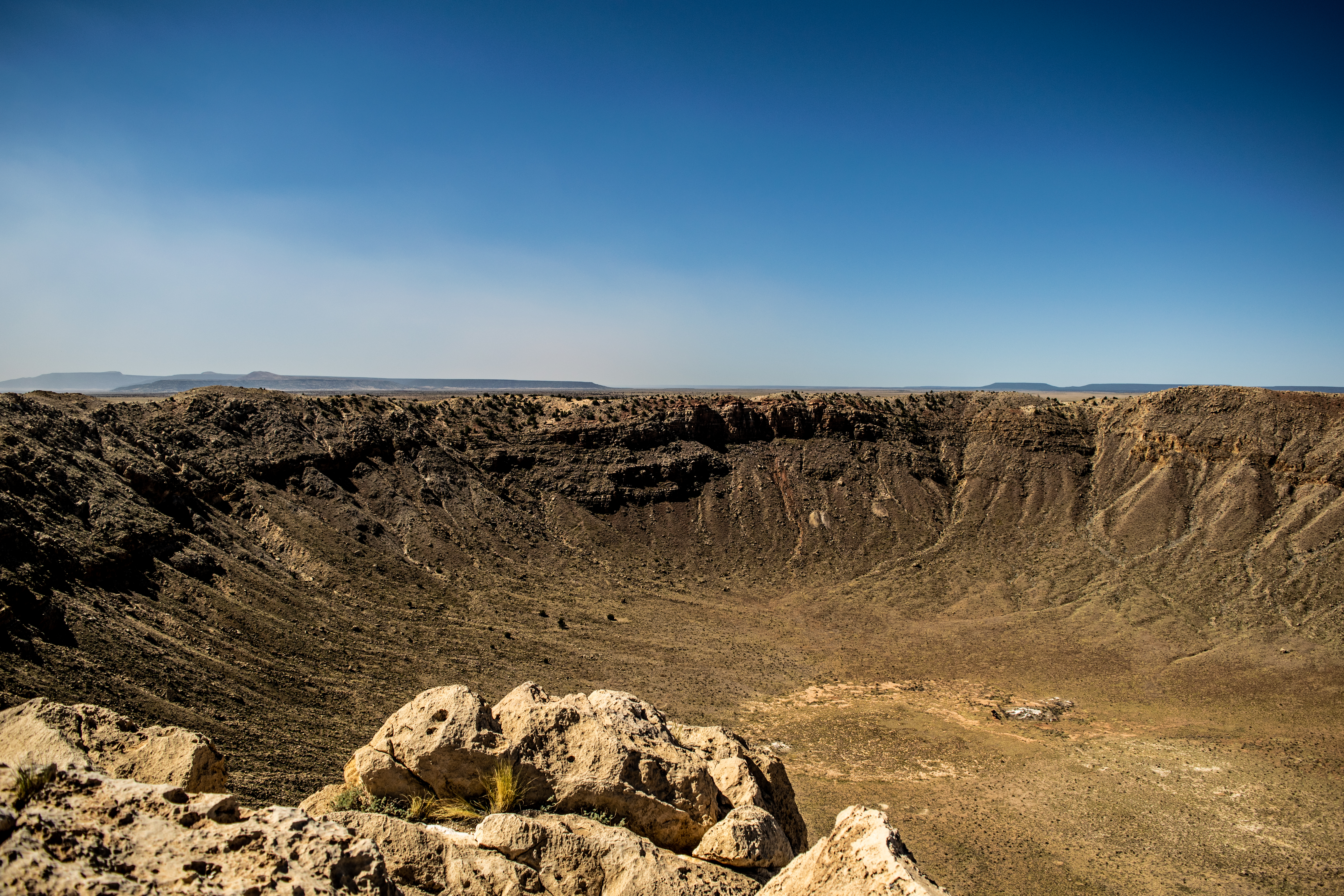
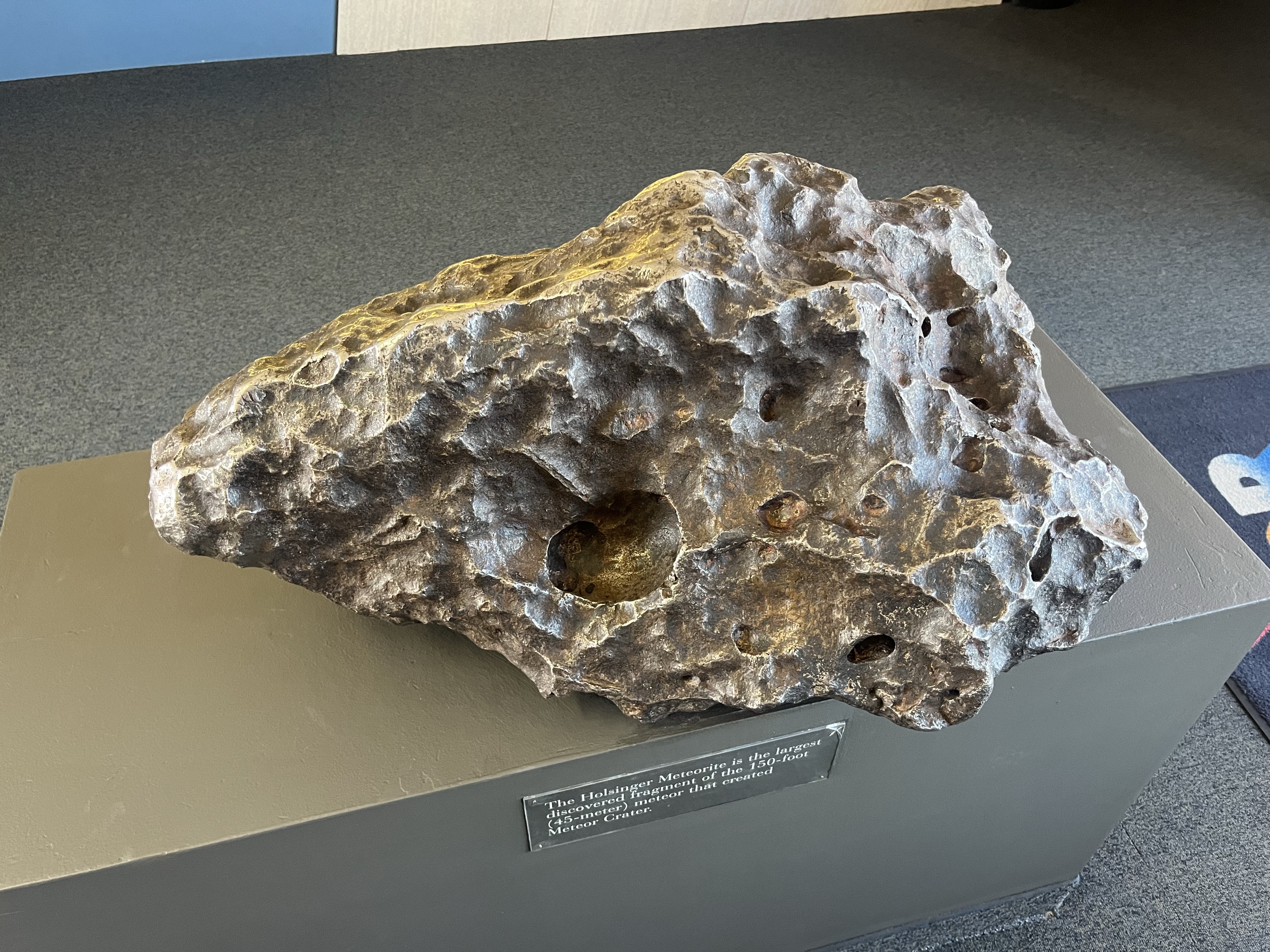
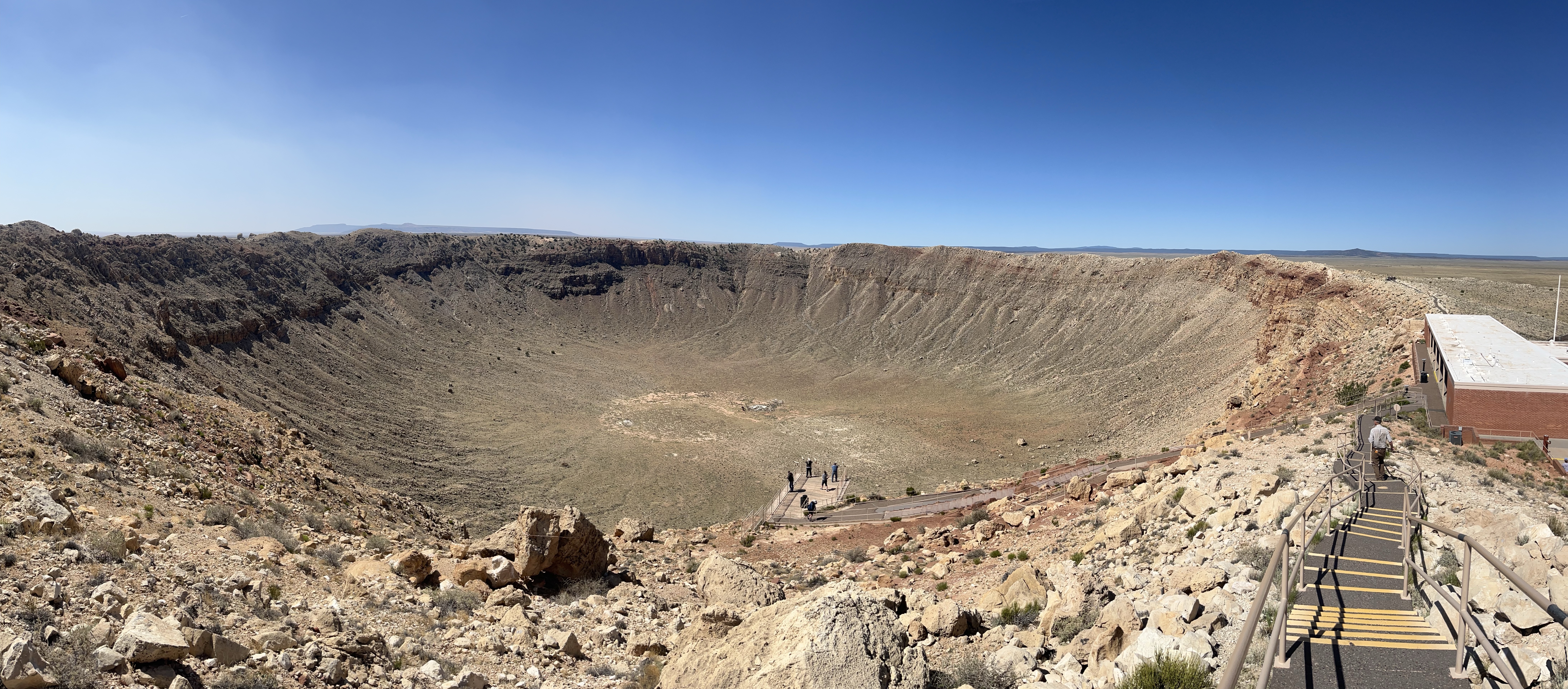
Since I knew the crater was on my way back to Southern California along I-40 near Winslow, Arizona, and because Griffith Observatory proudly displays and shows off a fragment piece from the actual rock that created the impact crater, I decided to give it a shot.
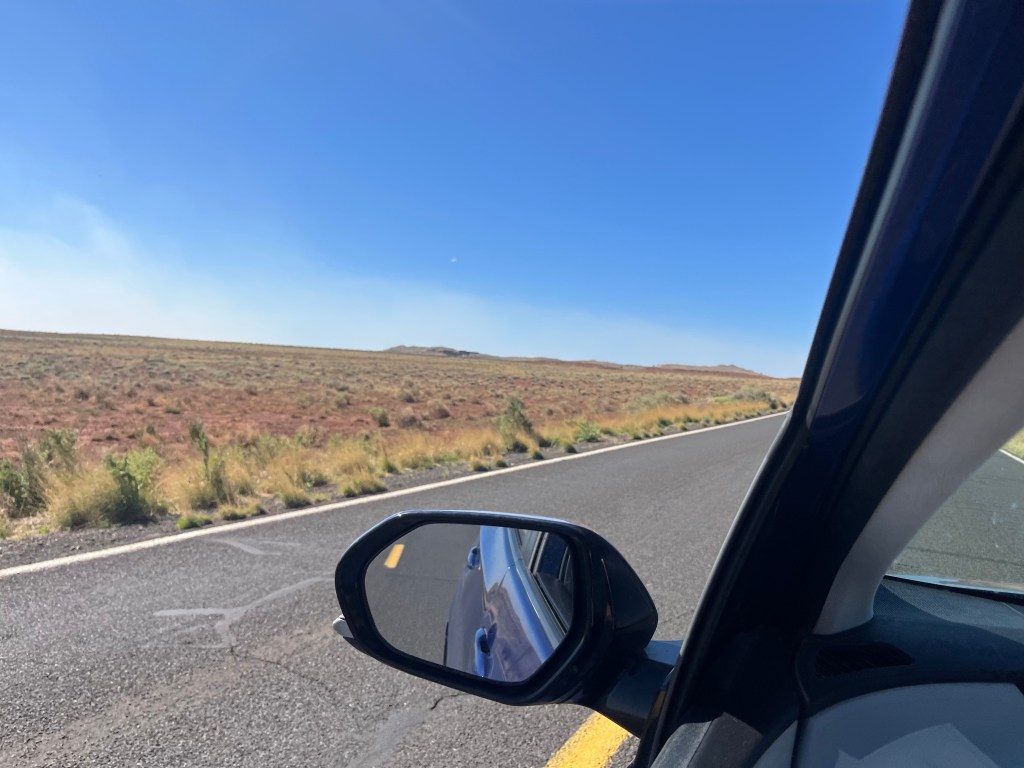
While some will say the place has tourist trap vibes, it is still an interesting place to visit. Because it is a family owned location, it does require paid admission ($27) to actually observe the crater from their buildings.
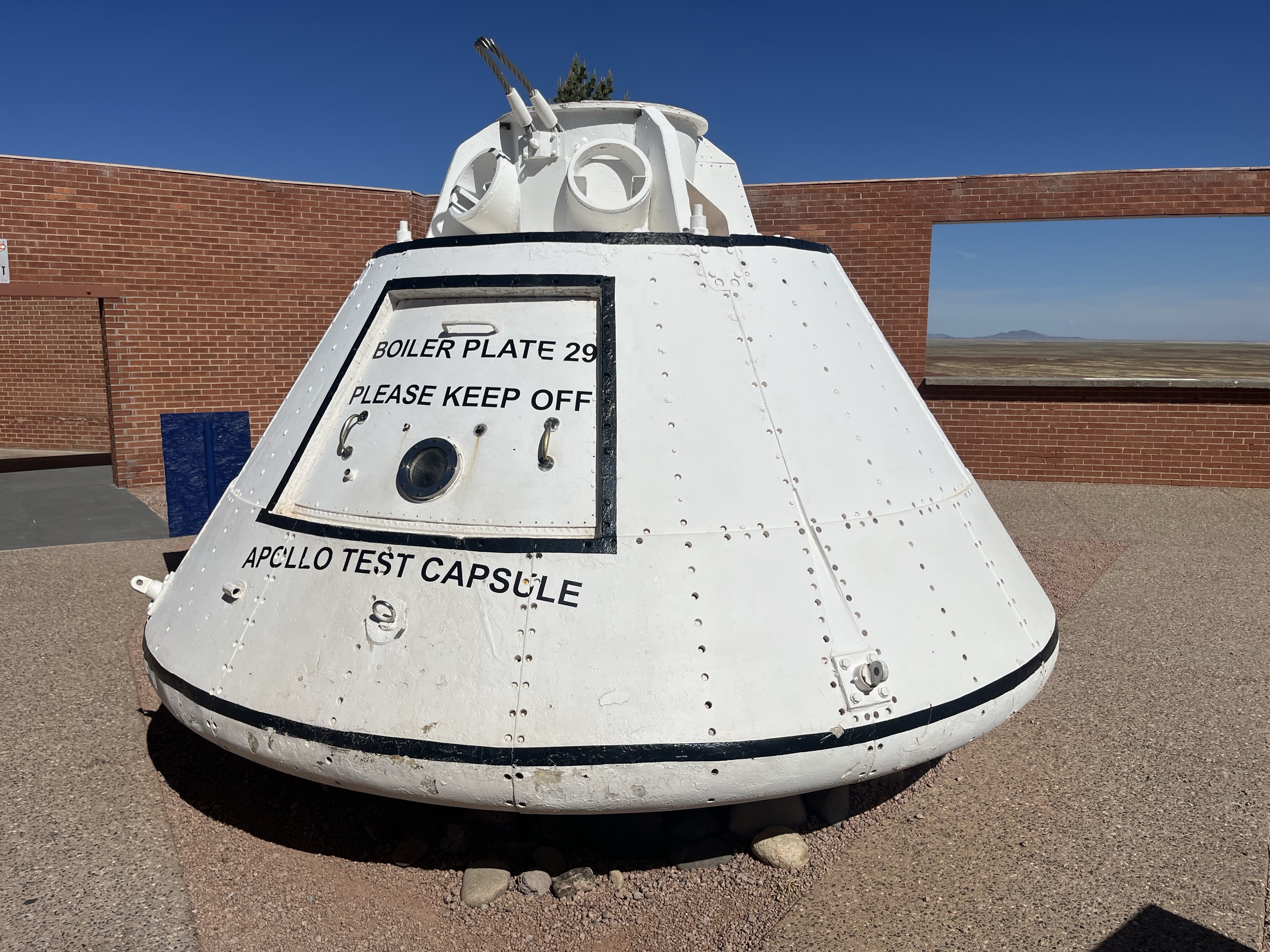
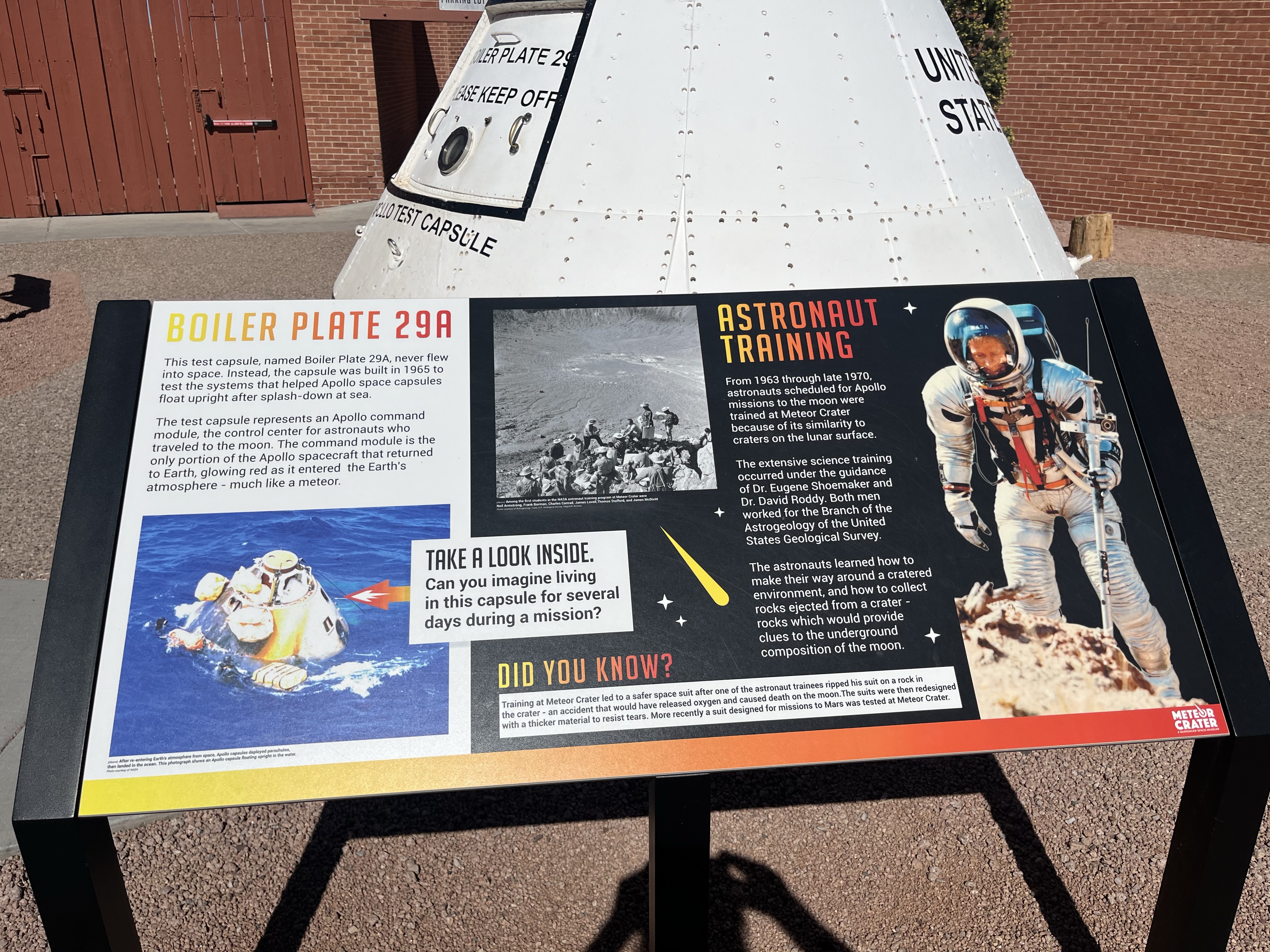
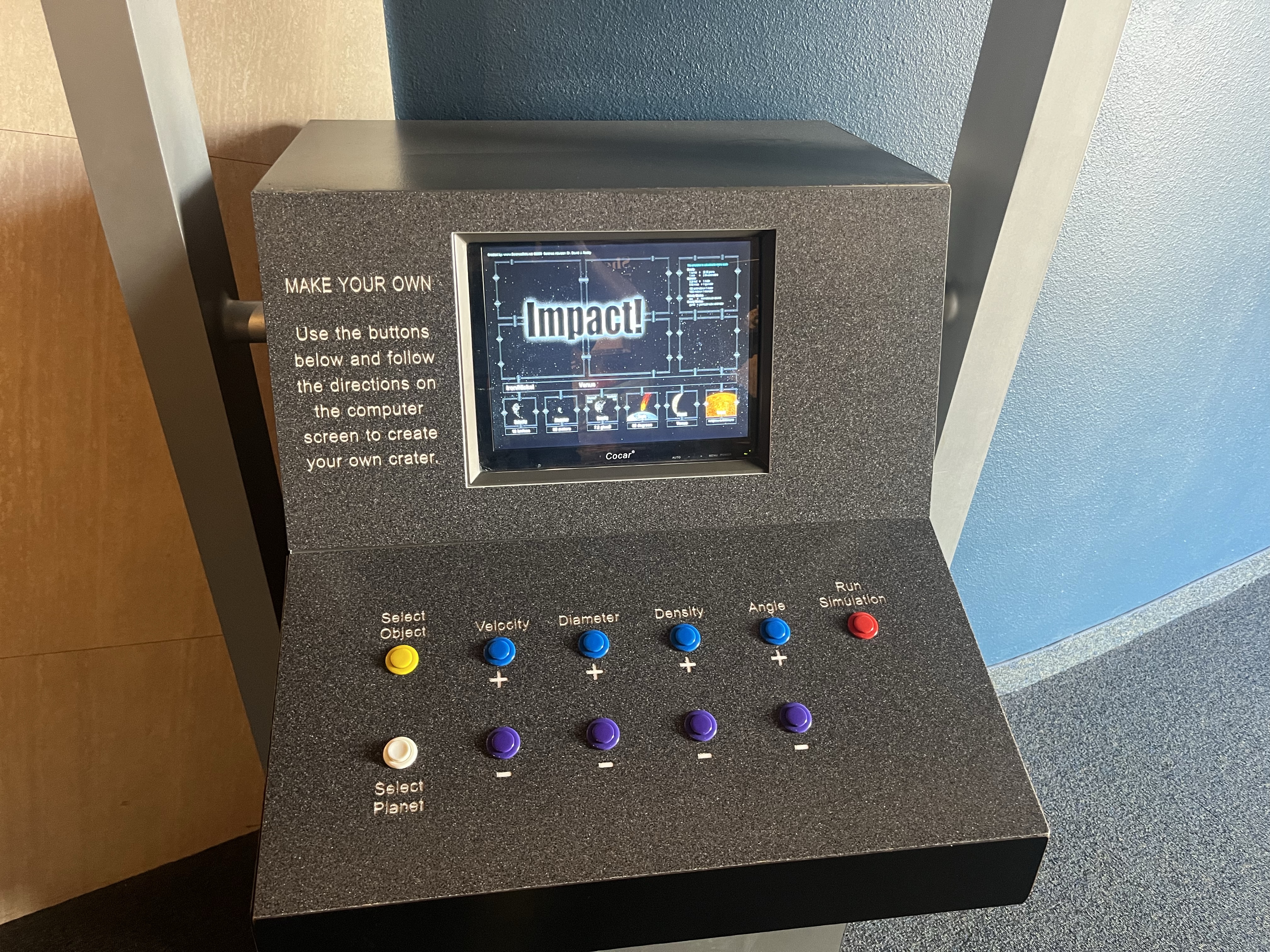
Since I was on schedule and wanted to be home, I only glazed through the science museum and chose not to do the long guided tours. One exhibit, which simulates impacts, is actually the same program that Griffith has for their same exhibit.
 ORION BEAR ASTRONOMY
I love your photos of the Milky Way.
LikeLike
Thank you, glad you liked them!
LikeLike
Ren and Cedar were the ones who got up on night 2. We LOVED it. So memorable. We looked in awe as Anthony used his lazar beam to show us constellations that were far bigger than I had imagined them to be. He also told us about the history of different cultures naming constellations.
LikeLiked by 1 person
I’m happy you enjoyed it, and remembered some of the things I showed!
Thank you again for having me out there.
LikeLike