


For those it may concern, I am someone who regularly does public astronomy on a professional basis, and a seasoned sky observer who knows what celestial events are truly inspiring versus those that are not.


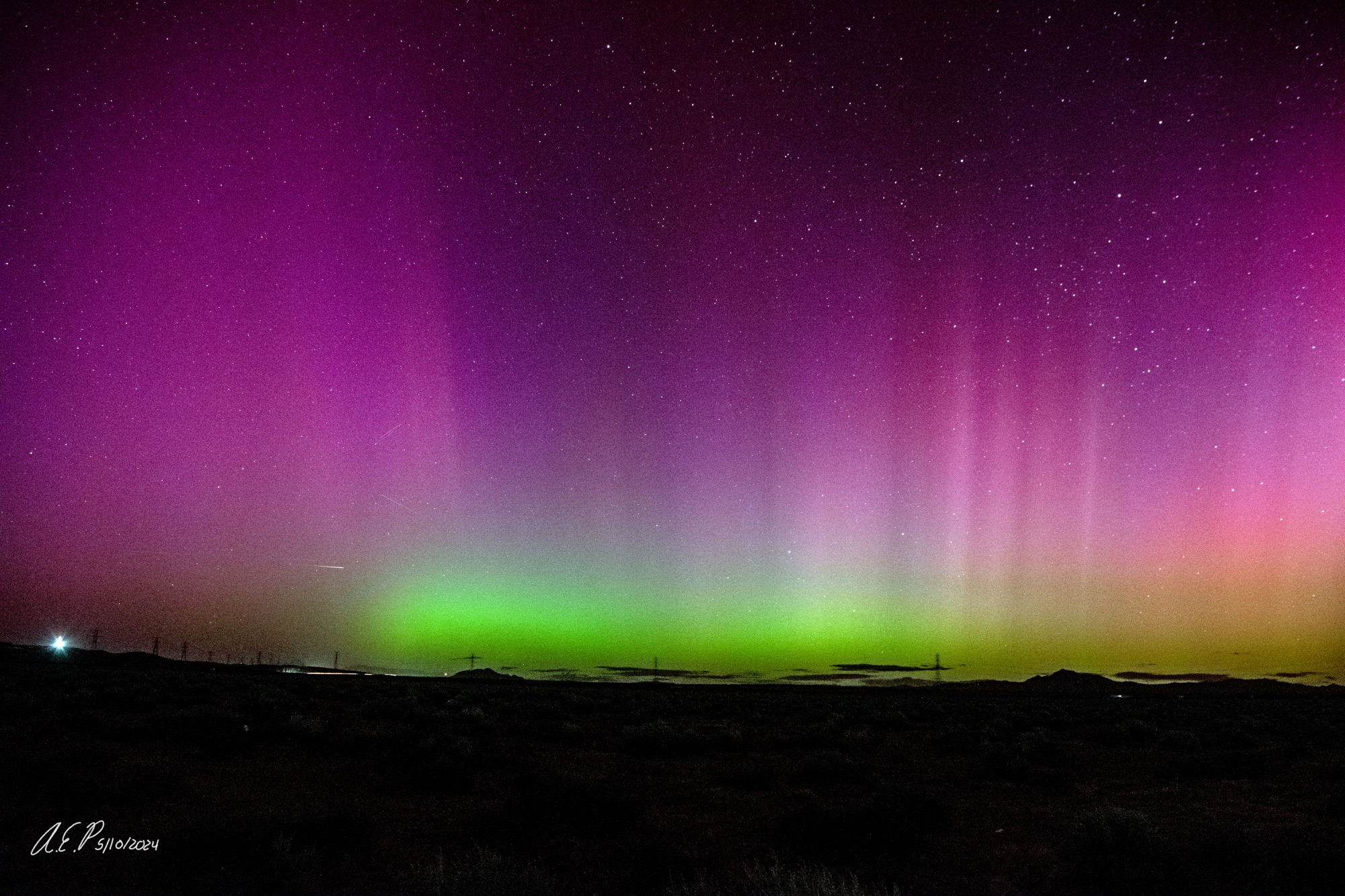


These five major events all happened from October 2023 to March 2025 and were visible over the USA… did you live in the USA and missed one of them when they happened? Or all of them BECAUSE you didn’t know they were happening? Then it’s the media to blame!
We had an Annular Solar Eclipse, a Total Solar Eclipse, Bright Aurorae visible over the entire country due to one of the strongest solar storms in decades, a bright naked eye level comet that could be seen from cities, and a Total Lunar Eclipse… and what does the media seem to promote more often thus people seem to hear about the most?
Super Moons?! Planetary Parades/Alignments?! “RARE <insert name> FULL MOONS?!”
While I don’t want to be seen as someone who is gatekeeping astronomy and coming off as an arrogant intellectual, I really need to emphasize that when it comes to impressive celestial events – Super Moons, any <insert monthly name> full moon, nor “planetary alignments / planetary parades” are NOTHING to write home about.
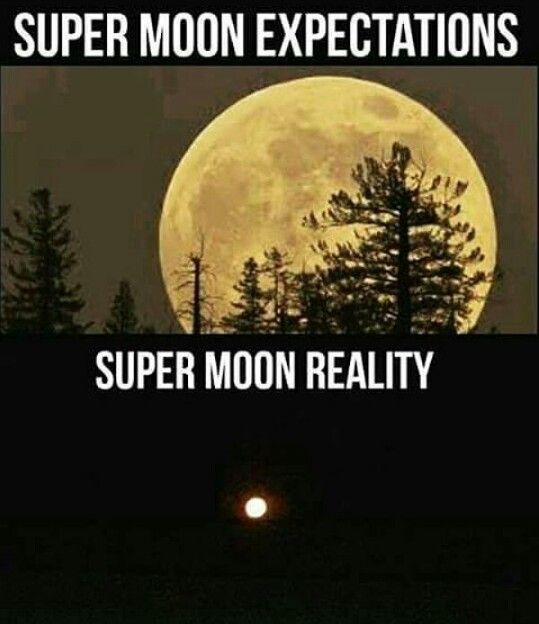
Although I have already written an informative post on this website that explains what “Super Moons” are and why they’re “non-entity” events, this time I’m writing more about the adverse effects that I see and deal with from the people due to such media attention over a “Super Moon”.
Here lies the typical scenario
- Someone sees a headline about a “super moon” and immediately just shares it without reading anything in the article that might give important facts, especially what to truly expect when trying to observe it. Thus the article gets a lot of traffic and generates buzz just from the headline alone – with more people NOT getting the correct info because they didn’t bother to read up on it. Which can lead to the next scenario…
- Observatories, both public and private, plus star parties and known astronomy enthusiasts, get more calls than usual about people asking about the “super moon,” only for them to be generally told that they’re not really anything to write home about.
- People either go to an observatory/star party in hopes to see it, or simply just observe it from their home locations and all get the same result… “oh… I thought it would look bigger…” “oh… is that it?”
- People like me who encounter the disappointed people in public now have to explain WHY what they were told to check out was not really worth the attention it got.
- Many of those who do get let down by the sight may end up being turned off from checking out any future celestial events, even if the said event is worth seeing!
Sure, at the end of the day we are always happy when an event that’s worth checking out does get the attention it deserves. We can even accept the silver lining that even “non-events” MIGHT inspire someone in the public to get engaged with astronomy. But time and time again, “Super Moons” continue to remind me why they are among the lowest scored celestial events in my own celestial event scale.
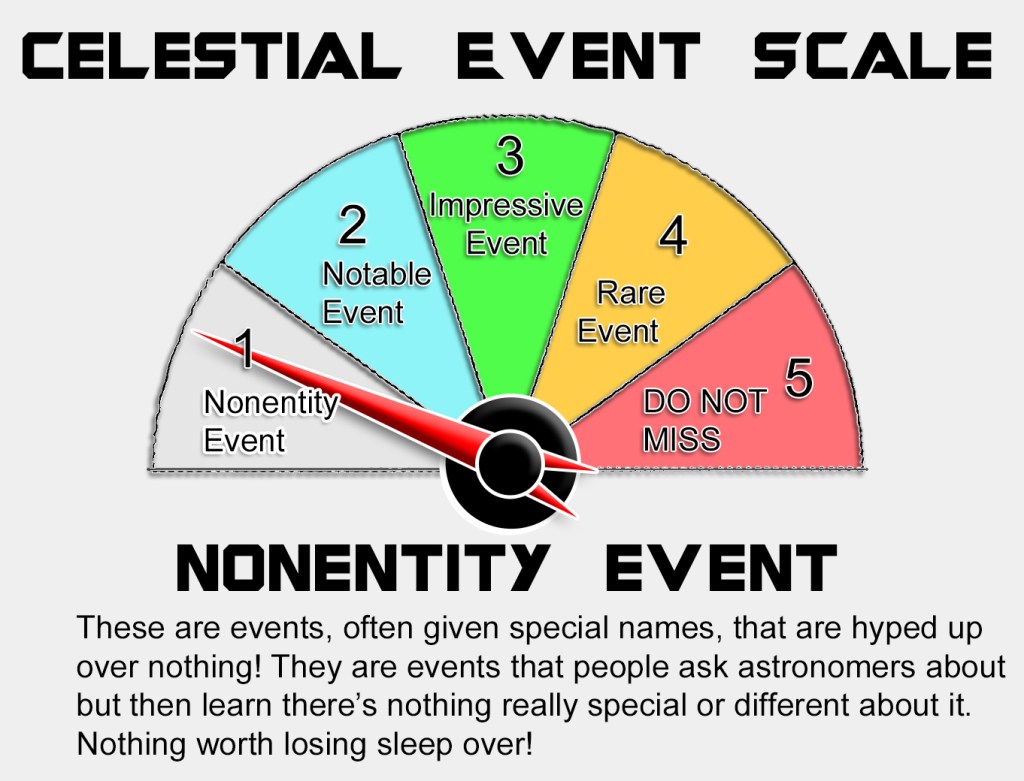

Unfortunately, while I gather that “Super Moons” are events that a lot of people hear about, time and time again, I encounter people who missed out on relatively recent major celestial events – some of which which were literally once in a life time events “Did you see the Jupiter/Saturn conjunction a few years ago?” “no…” “What about the Venus transit of 2012?” “nope…”
Can you PLEASE stop calling <insert name> full moons as RARE and promoting them as can’t miss events?!
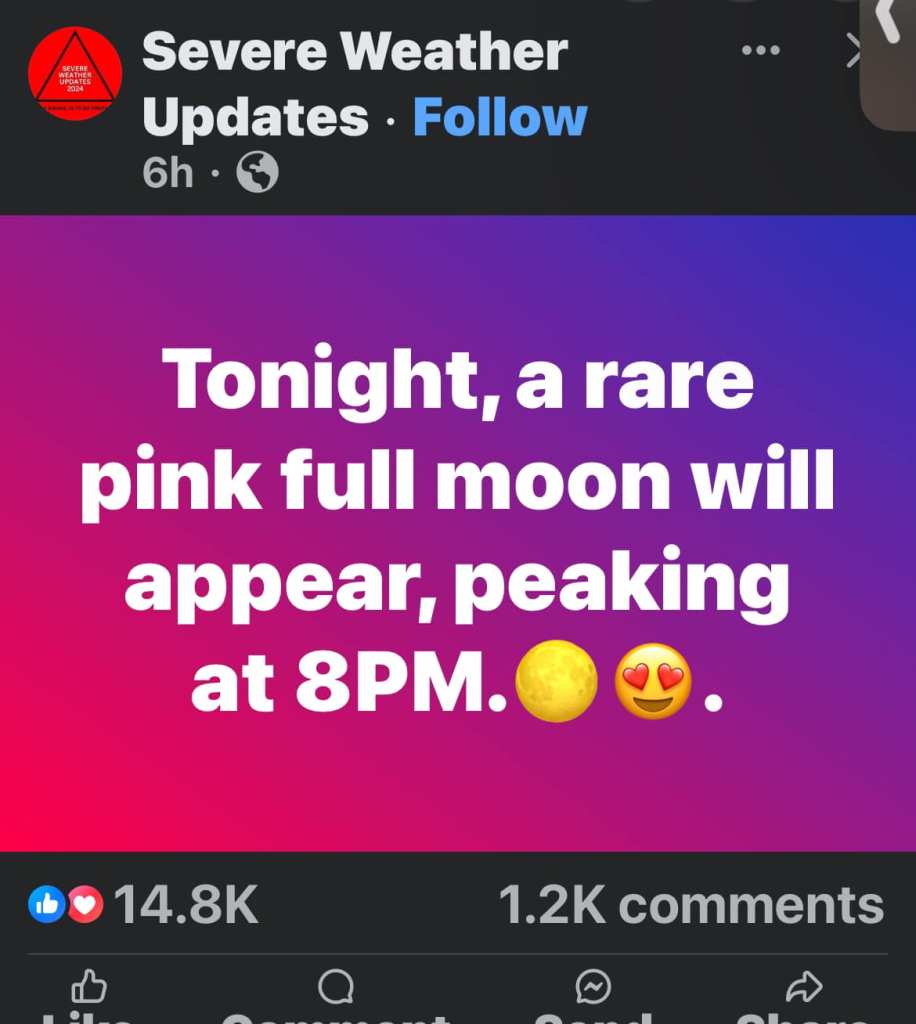

This happens ALL THE TIME. I see posts pop up over a specific full moon, like the “Pink Moon” for example, which is the name given to April’s full moon. In April 2025 I saw many social media posts promoting it… Some mentioned that it was called that due to an old Farmers Almanac name referencing when a species of pink wildflowers would be blooming, but others wouldn’t mention anything factual at all.
And of course, I saw plenty of people visiting our observatory that night hoping to catch the moonrise. And like clockwork, a lot of them EXPECTED IT TO BE PINK! Some who came by later even asked us “did you see the Pink Moon?” or “How did it look when it was pink?”
While there are certainly times when a NON-Eclipsed full moon CAN appear Pinkish, or orange when low above the horizon depending on the amount of haze, smoke, and other thick vapor materials that are in our atmosphere… but it isn’t BECAUSE it’s an ongoing celestial event.
Oh.. and about those “Green Comets…”
Here’s an Astronomy Secret – Comets are almost ALWAYS GREEN!
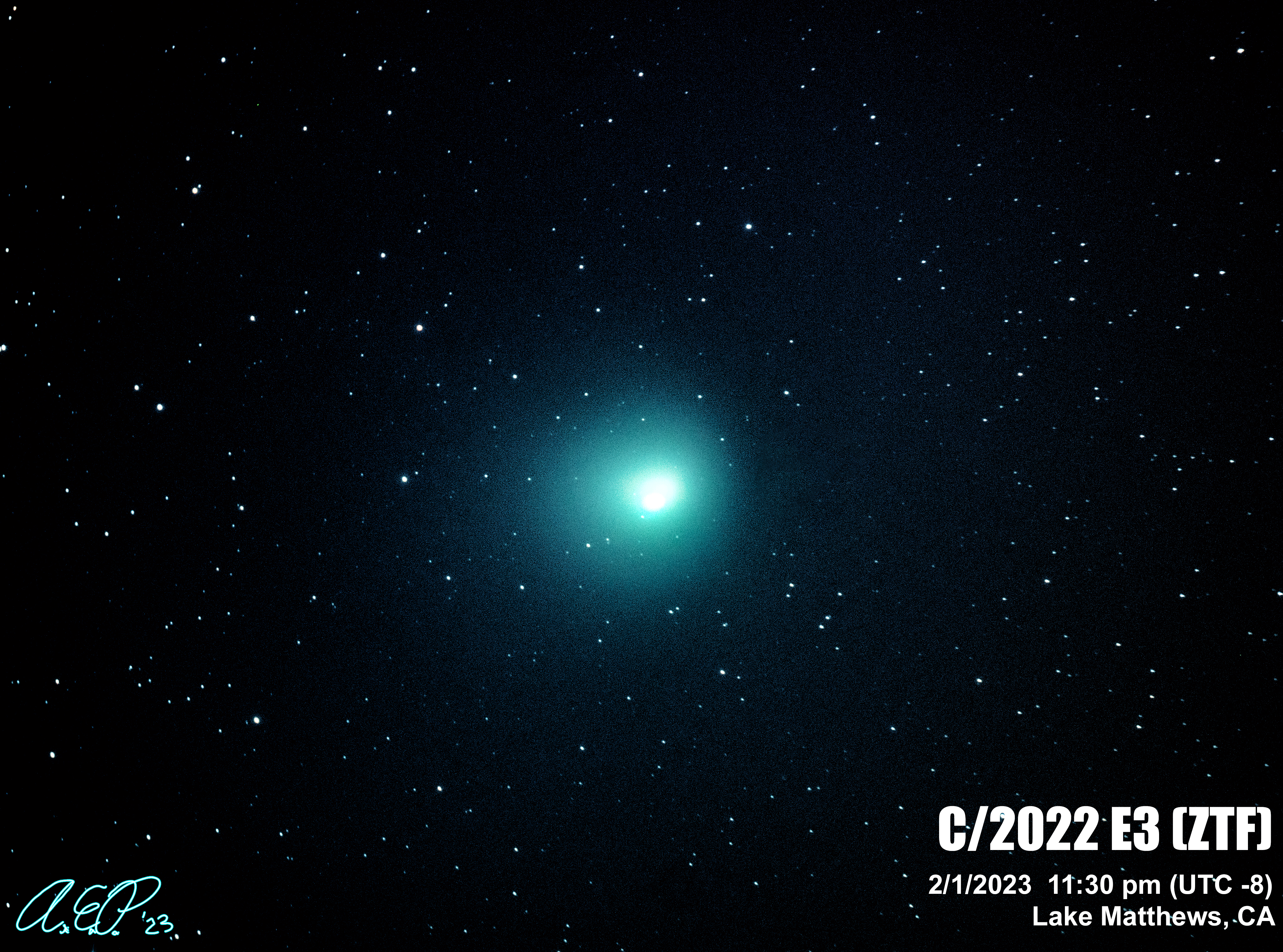

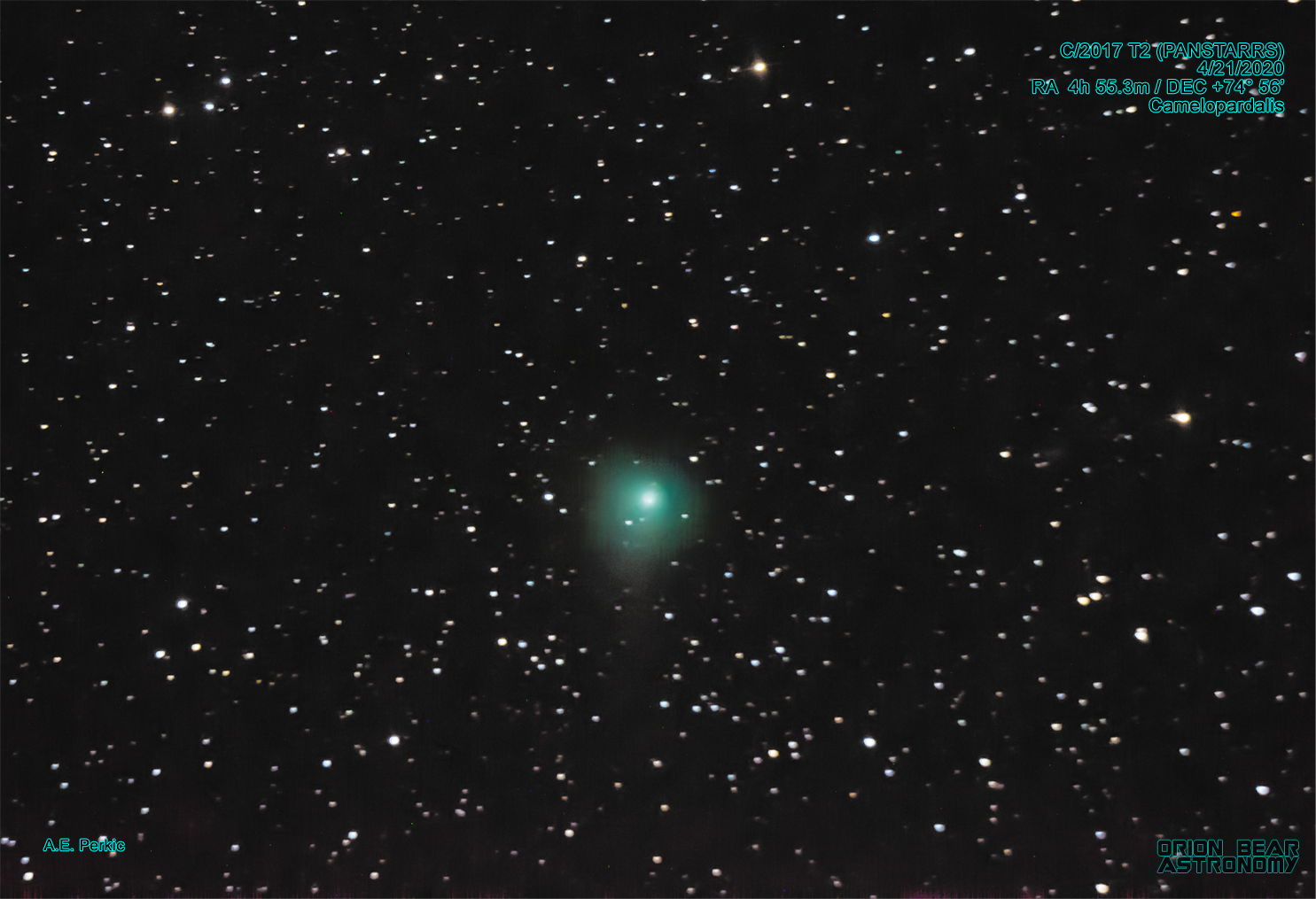


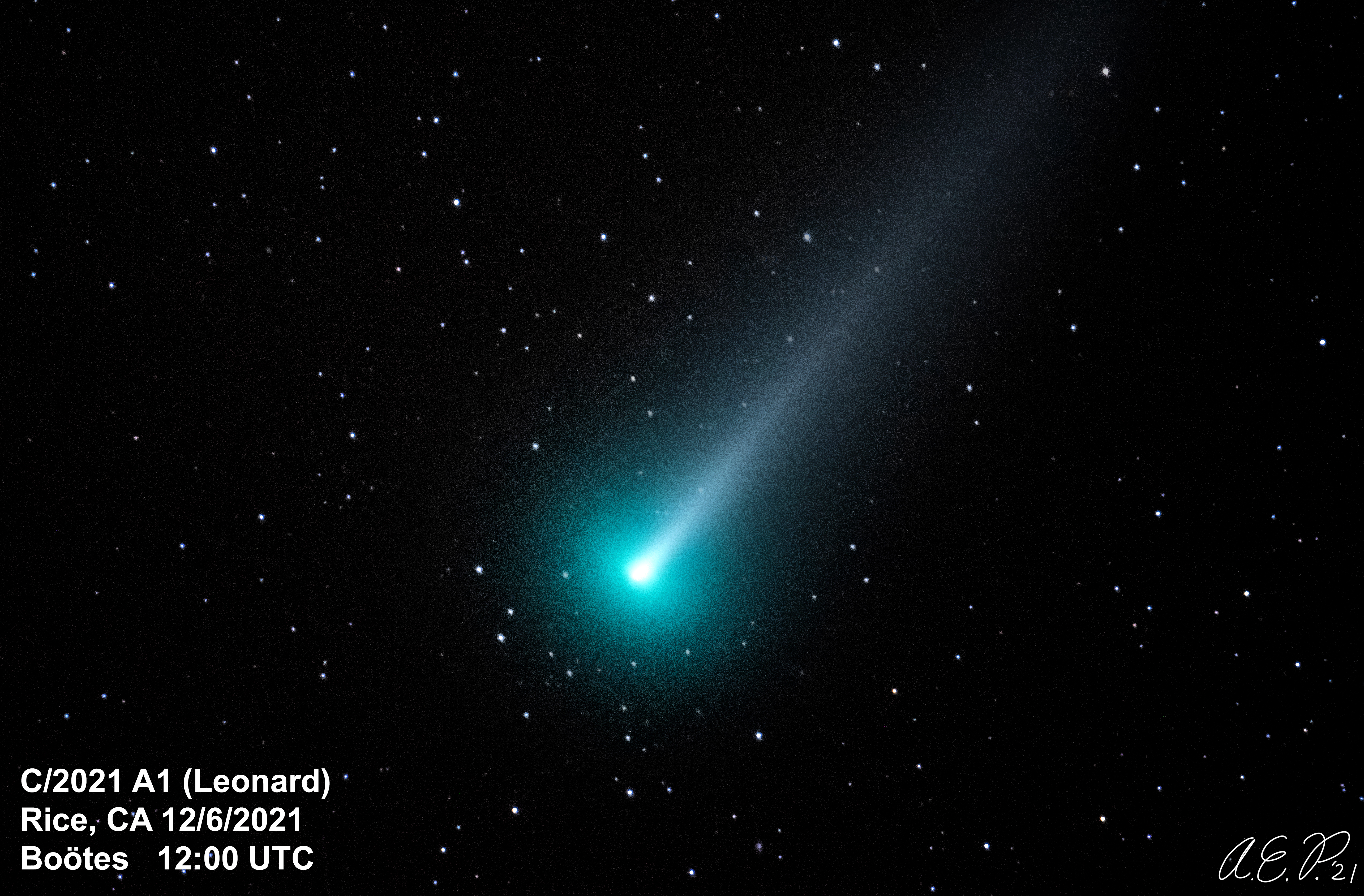


Because the emphasis is always about the color in the headlines, when these comets are promoted, people will call up or visit the observatory and ask, “so what’s with this rare green comet… can I see the green comet?”
Many times I’ve seen more attention being generated towards comets that were never going to be naked eye level comets at all… such as C/2022 E3 (ZTF) that made its appearance in early 2023… Because…. GREEN!

As you can see in the picture above, yours truly decided to give eager visitors a chance to view C/2022 E3 (ZTF) through the telescope because we knew how much attention that comet was getting thanks to the abundance of “green comet” headlines spreading over media like wildfire.
And despite me warning the visitors that it would not look bright, not look green, and not at all be easy to see, my line remained long enough to the point I had to stop allowing new people into the queue 15 minutes earlier than normal closing time.
While some did appreciate me explaining WHY it didn’t look at all like the pictures, I cannot tell you how many disappointed or unimpressed reactions I witnessed after they finally realized “oh, that’s it…”
And at the same time, I asked these same patrons, “did any of you remember or hear about NEOWISE in 2020? That one was a lot brighter and had a long visible tail!”
And the typical response – “uh, no….”
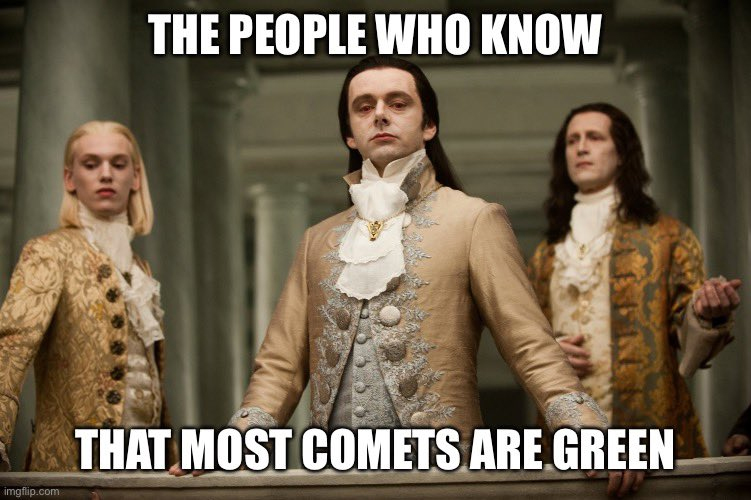
And of course, a lot of people weren’t too excited to learn that nearly all comets start displaying a bluish green glow when they begin outgassing… and that relatively speaking, “green comets” are not that special after all…
Seriously… these click bait articles that emphasize the color are just setting unsuspecting people up to look at dim gray fuzzballs with or without optical aid.
What about “Planetary Alignments?”
Here is another Astronomy Secret: The Planets are ALWAYS “Aligned!”
It’ll Actually be newsworthy when they’re NOT!
And the same happens with “Planetary Alignments” because they are not really alignments! What people forget or don’t know is that the planets are ALWAYS in a line in the sky… the ECLIPTIC! Because they are all roughly along the same orbital plane as they orbit the Sun, you will always find them along that special line in the sky… sometimes near each other, sometimes further apart.
In actuality… it’ll be news when they are NOT along the same ecliptic line in the sky… because that means something catastrophic, such as a very massive interstellar object passing by, is causing it.
And when it comes to “Planetary Alignments,” The sad thing is that many people see the headlines but don’t bother to read the articles that tell them when they’re visible… so I’ve encountered many people who visited the observatory expecting to see it that evening only to be told “it’s visible in the morning before dawn, not the evening.” Another promotional failure yet again!
And in the case of the “Planetary Parade” of January – February 2025
As a freelance astronomer enthusiast who is now for hire, I got enough emails from people in that time period wanting me to set up my telescopes for them, or their private parties because of this heavily promoted “Planetary Parade”… I even had one person requesting to rent my equipment to take it out to Joshua Tree National Park themselves without my services! Another, when I suggested picking a night when the moon was also visible for their “planetary stargazing party”, told me sternly “I don’t want to see the moon, I want to see the planets!”
For context, this was because in the evening sky, at one time all 7 planets technically would have been up. HOWEVER, two of them, Mercury and Saturn, were so low and near the Sun that spotting them was difficult, and nearly impossible to spot after sunset. The other two, Uranus and Neptune, are NOT naked eye objects, thus are telescope targets only. That left only Venus, Jupiter, and Mars as the only three that would have been easily seen. As far as I was concerned, THREE visible planets out of an advertised SEVEN is a FAILING GRADE!
But that didn’t stop news media sites from using a picture of the Observatory on their social media posts to promote the event, even though the Observatory ITSELF wasn’t even promoting it! But because people saw the picture, that made them think that was the place to check out and see the event… and on February 28, the day people were told to go see it, I was told by colleagues it was almost as busy as it gets during the holidays… Imagine 50-60 plus people lined up at a time for each of the telescopes to look at ONE planet! Some were even asking “why is this telescope only looking at <insert one planet name>? Where is the alignment? I want to see all of them!” It was crowded enough to require the telescopes to stop queuing much earlier than closing time. One colleague described the scene that from night as “the most depressingly impressive collection of ignorance I have ever encountered…”
The sad part about all of that is this – they did not ALL have to attend on February 28! They could have visited the day or week before/after and seen the same sky! I did a freelance telescope gig for a party in Beverly Hills right around that same time, and quite a few of the people at the event were asking about it, and were quite relieved when I told them “what you see tonight is exactly what you’d see on the same night they’re advertising it!”
It’s April of 2025 as I’m finishing writing this article and we STILL get asked about “when the planets were aligned” a couple of months prior!
And yet nobody seemed to know about the March 13-14 total lunar eclipse!
So please…. just STOP PROMOTING THESE Celestial NOTHINGBURGERS! We know you do it for clicks anyway! These are NOT rare and inspiring events that amaze viewers! They leave more people disappointed than satisfied!
People like me are sick of new potential inspires getting their hopes severely shot down when they realize they’ve been hoodwinked, bamboozled, flim flammed, and had the rug pulled out from under them!
Please do a better job at promoting THESE Following Celestial Events Instead!
| STOP Promoting | Promote THESE Instead! |
| “Super” Moons | Total Lunar Eclipses |
| Blue Moons | Solar Eclipses |
| Dim Comets / “Green” Comets | Really Close Conjunctions |
| Weaker Meteor Showers | Planetary Oppositions and “Historic Close Approaches” |
| Planetary “Alignments” | Confirmed Naked Eye Level Bright Comets |
| Lunar Occultations | |
| Strong / Outburst Meteor Showers | |
| Potential Meteor Storms | |
| Mercury and Venus Transits |
Just like when a doctor or nutritionist gives their client guidelines for specific dietary needs to maintain a healthier lifestyle, the table just listed above is from a dedicated sky observer in giving guidelines for better “astronomical inspiration health.”
Honorable Mentions
We can give an honorable mention for Meteor Showers, but in my experience, I’ve dealt with crowded National Parks and have seen long lines of cars trying to get in to observe a Perseid meteor shower away from lights… so obviously the strong meteor showers do get promoted enough.
But when it comes to weaker showers, please…. just don’t call an Orionid or a Lyrid, or any weaker shower “spectacular” in the headlines! In my experience, most lay people get impatient even during the stronger showers (Perseid and Gemind) that may see one meteor every minute or so… sometimes a few more… so imagine setting up a disappointing night when someone expects to see a “spectacular Orionid shower” and they don’t see a meteor streak for quite a bit of time!
As for Mercury and Venus Transits, which are relatively much more rare than eclipses… well, the next Venus transit will be in December of 2117, while the next Mercury Transit won’t happen until 2032, and the next one visible over North America won’t be until 2049…. so if you’re reading this and you missed out on the 2012 Venus Transit and 2019 Mercury Transit because you didn’t know they were happening, then you know who to blame.
Bright Comets that are CONFIRMED to be Naked Eye Level… as in easy for anyone to see (even if it means leaving cities)!

Seriously, unless the comet in question has been confirmed to be spotted with the naked eye, and is relatively easy to spot… please stop promoting headlines about “potentially dazzling comets” or putting emphasis on it appearing green!
Most of the time, any news of a potential bright comet leads to it never appearing so… and a lot visitors being let down who are unaware of the disappointing nature of comets. It’s not going to be worth checking out unless one sees or hears that it is confirmed to be visible to the naked eye.

Comet NEOWISE in the summer of 2020 was a bright naked eye level comet, and the long tail was distinctly visible IF you went to a dark enough location like I did. But sadly, many missed out on seeing it to the naked eye because they didn’t get the sense to travel out to the dark locations, or were afraid to leave their homes because of the ongoing pandemic at the time. This could have been an inspirational event, or something positive to promote for 2020, but instead was overshadowed by media attention being directed elsewhere!

Tsuchinshan-ATLAS was a bright enough comet to be faintly seen from city skies for a few days… but of course it went largely unnoticed! Only those who happened to visit the Observatory on October 12-13, 2024 were able to see it, or those who already knew it was up. I took that shot from Phelan, CA which had a slightly better sky than Los Angeles.
Eclipses… both Lunar and Solar

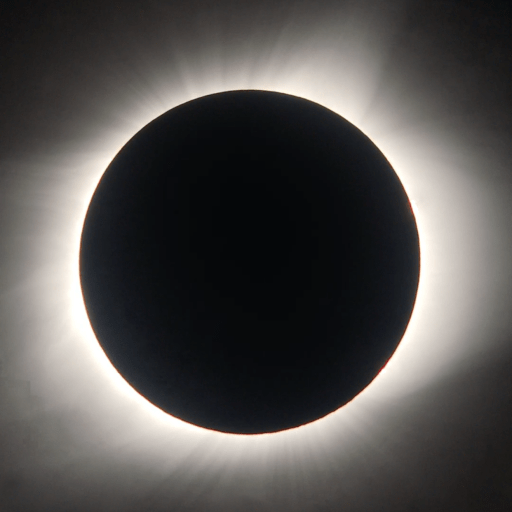
Before our observatory public viewing event for the May 2022 Lunar Eclipse began, we encountered many visitors who made their way up and were completely unaware that a Total Lunar Eclipse was about to happen!
I have also been outside of an apartment complex I was living at the time, and greeted quite a few people who were puzzled why my telescope was setup… DURING A LUNAR ECLIPSE! “why, you ask?! Look up!”
Once I got an email from a college wanting me to help run a stargazing event for them on March 13, 2025…. the SAME NIGHT AS A TOTAL LUNAR ECLIPSE! They didn’t know that there was an eclipse about to happen that night!
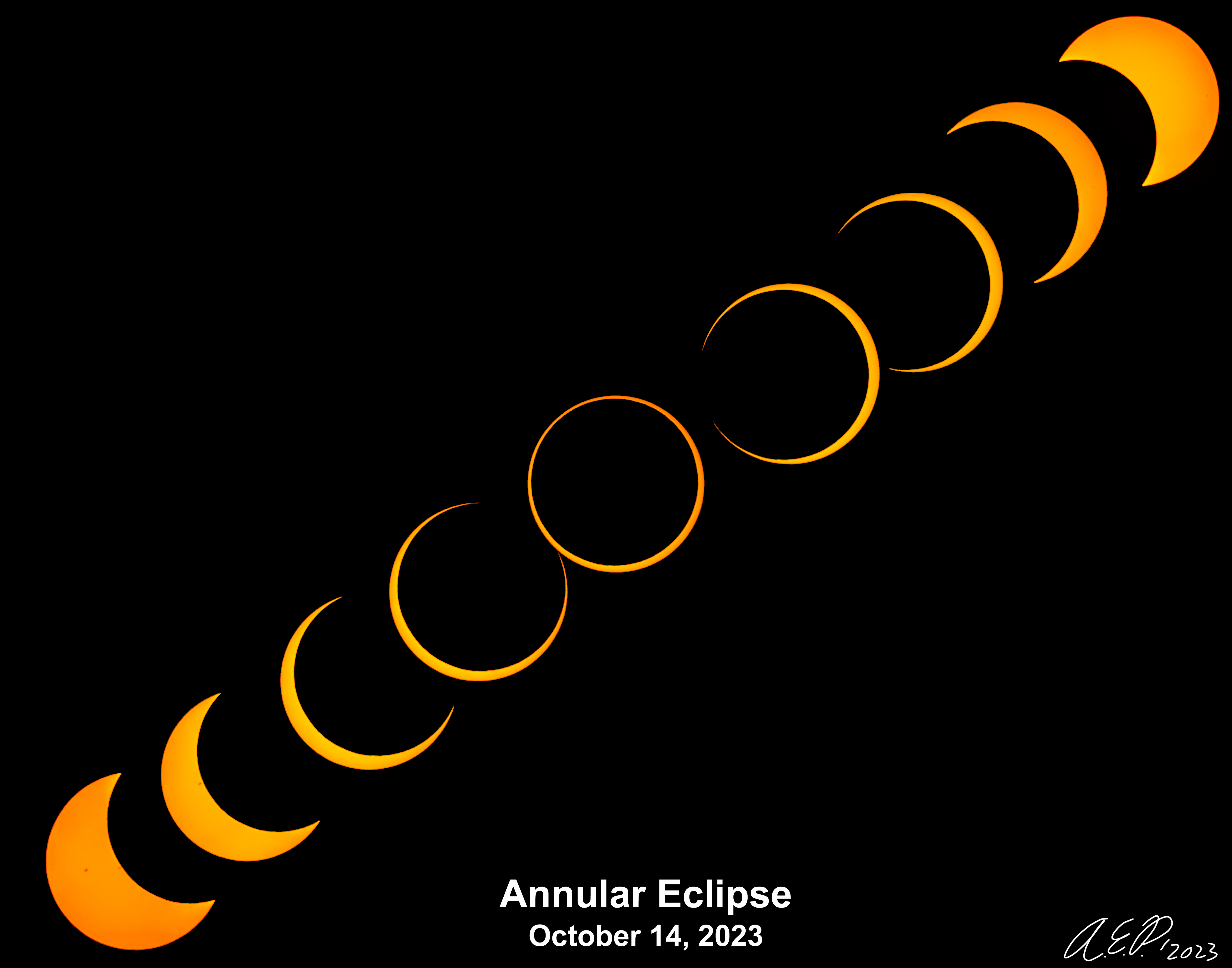
At my my first observatory telescope shift three days after taking pictures of the Annular Eclipse of October 14, 2023 in Beaver, Utah (visible as a partial over rest of the U.S.A.), I asked a lot of visitors waiting in line if they saw the eclipse, even as just a partial, but most claimed they did not. When I asked why, their answer was that they didn’t know about it!
Again… that’s unacceptable!
Even for the 2017 “Great American Eclipse,” when I was working at an Amazon Fulfillment
Center and asked HR to grant me time off, none of them knew of the impending eclipse even though it was less than a week away at that point – when millions of people like me were just beginning their pre planned travel arrangements! After the request for time off wasn’t granted, I remember thinking, “What rock have you been living under?!” Regardless, NOTHING was going to stop me from seeing that Eclipse!
The Experiences of the 2017 and 2024 Eclipses were obviously great for myself and my parents… Yes we did encounter a lot of people who traveled for the eclipse, but there were still many in the USA who seemingly were left out of the loop before it was too late to plan their adventure.
The Best Date(s) To Check Out Planets
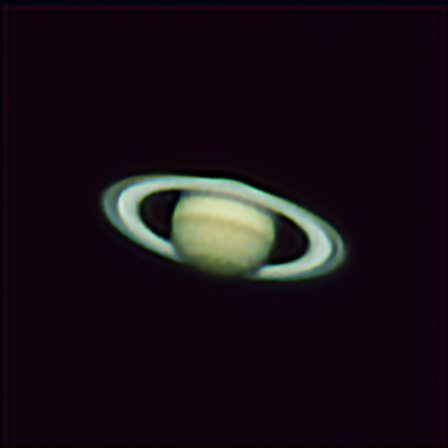


Let’s be frank… most eager visitors when they go to an observatory or a star party and get a chance to view through a telescope – they want to see a planet… Especially Jupiter, Saturn, and to a lesser extent, Mars. And when your window for public viewing is 3-4 hours in the early evening only before closing time, then that means there is only 5-6 months out of the year at the most when we can really show it. Otherwise, we deal with many people who say they came to see a specific planet only for us to explain, “well, I’m sorry, you visited on the wrong date(s).”
It definitely might help if more people knew things such as “Now is the time to check out Saturn” or “This month is your best time to check out Jupiter!” However, when it comes to Mars, it’s best seen when it’s closest to Earth, where we can see ice caps and other surface features – which happens roughly every 26 months! Otherwise, we keep dealing with many people baffled why we choose not to show Mars when the longer distance means it only looks like a small salmon colored dot.
Super Close Conjunctions and/or Lunar Occultations
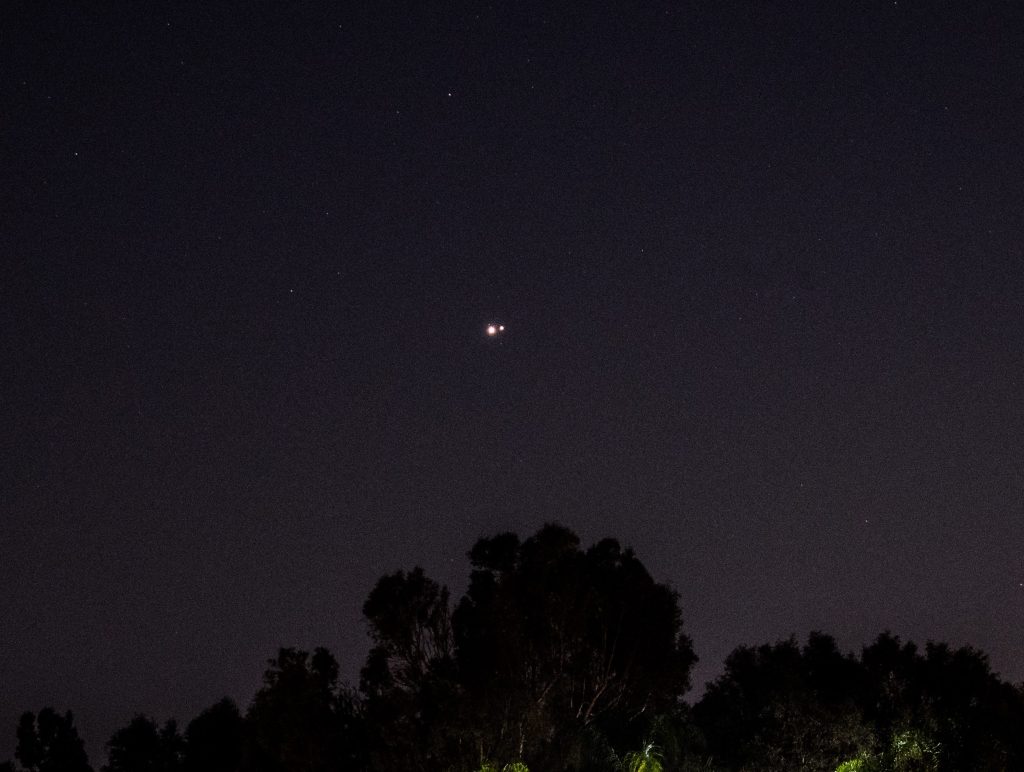
The Jupiter-Saturn Great Conjunction of 2020 was literally a once in a lifetime event!
Unless someone who is reading this is young enough and lives to see the same thing happen again in 2080, the reality of it is most who do will not. I myself will be 92 years old for the 2080 encore performance, and will do my best to live to and beyond that age!
Sadly, I still encounter people who say they never saw the 2020 display, nor heard about it.

On March 1, 2023, Jupiter and Venus did a notable conjunction where they appeared separated by equal to that of a full moon in the sky – and were visible at the same time through a telescope. Instead of people knowing what was actually happening, we instead got plenty of visitors, or people asking about it later thinking it was a UFO.

Lunar Occultations are rarer in the sense that one has to be in the right observing location at the right time… But we witnessed two of them within a couple of months in late 2022 – early 2023. Sure, the observatory did live streams of them on their YouTube Channel, but when I did telescope demonstrating the very next night outside on observatory grounds, I asked the visitors, “did any of you catch it last night when the Moon eclipsed Mars?” At this point if you’re reading this you probably already know what the answer is.

Even with the recent Antares Egress event which I captured in August of 2023… once again, barely anyone knew about it!
 ORION BEAR ASTRONOMY
Hi Anthony,
A great rant and very justifiable. I’m particularly sick of the media hyping up stupid names for perigeal Moon events.
The names have been promoted and glorified by the media in your country; and have been eagerly picked up by other media world wide. Blue Moon, Pink Moon, Beaver Moon, Worm Moon all of them non-descriptive, meaningless and misleading titles.To make matters worse, I’ve even seen some professional astronomers join in the Super Moon frenzy. 😨A different form of over-hyped event is the upcoming recurring nova, T Coronae Borealis. Yes, I want to to spot transient events when they occur but for the last twelve months my inbox has been filled with over-dramatic headlines from articles written about it, for example: “A New Star” will “light up the night sky” and predicting it could be “tomorrow“.
Yes, novae events are somewhat rare and are worth looking at when they occur but (a) non-astronomers will be disappointed when at best all they will see with T Cor Bor is a tenth magnitude star which will briefly brighten to about second magnitude; and (b) professional astronomers (who have only very scant knowledge about its history) can only realistically predict that it is could occur sometime between tomorrow and a few years time.
Even worse, I can just imagine the the frenzy of stupid headlines if this nova becomes a mid to late December event. Best regards,
Roger
LikeLiked by 1 person
Hi Roger,
100% agreed about T CrB… I don’t mind that people are getting notified about it, but the headlines of “the blaze star” “new star to light up the sky” are irritating. Some have even been calling it an exploding star – treating it like a supernova, and been sharing false misleading graphics saying what it would look like.
The misinformation surrounding that deserves its own rant 😂.
LikeLiked by 1 person